

Why landscaping aggregates are perfect for coastal gardens
Landscaping near the beach has its own challenges. Salt spray, sandy soils, strong winds, and bursts of heavy rain can make it tricky to keep a garden looking neat. On the Mid-North Coast of New South Wales, from Coffs Harbour and Woolgoolga down through Nambucca, Macksville, and South West Rocks, many homeowners and holiday property owners are discovering the value of landscaping aggregates.
Aggregates are crushed stones, gravels, and pebbles that are used in garden beds, pathways, driveways, and feature areas. Unlike organic mulches, landscaping aggregates don’t break down. They stay in place longer, need less topping up, and suit the casual coastal style that works so well in beachside suburbs.
This guide explores the best types of landscaping aggregates for the Mid-North Coast, how to use them in coastal gardens, how much to order, and why aggregates are one of the most durable, low-maintenance choices for beachside landscaping.
What are landscaping aggregates?
Landscaping aggregates are small, hard materials used in gardens and outdoor areas. They include crushed stones, gravel, decorative pebbles, and coarse sands. They are sold in different grades, colours, and textures.
Unlike soft mulches, aggregates:
-
Don’t rot or blow away easily.
-
Help with drainage in sandy or clay soils.
-
Last for years without much topping up.
-
Give gardens a neat, finished look.
For beachside gardens on the Mid-North Coast, landscaping aggregates are ideal because they stand up to salt spray, summer storms, and dry winds.
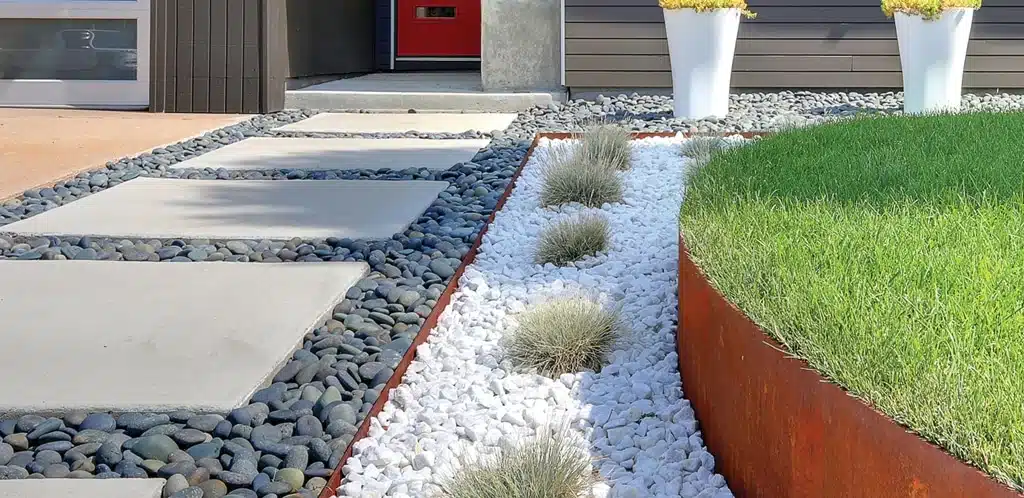
Types of landscaping aggregates for coastal gardens
River gravel
Rounded stones in mixed natural colours. River gravel comes in sizes from 10 mm up to 40 mm. It is gentle underfoot and suits informal paths and garden beds. On the Mid-North Coast, river gravel works well in coastal gardens because its natural mix of colours blends with sand, timber, and tropical plants.
Best uses: paths, around feature plants, between stepping stones.
Crushed granite
A fine, compactable aggregate often used for paths and driveways. Crushed granite has a natural, earthy look and is perfect for coastal homes that want a soft but firm walking surface. It drains well, making it handy for sandy soils near beaches like Valla or Scotts Head.
Best uses: pathways, courtyard surfaces, under pavers.
Decorative pebbles
Smooth pebbles in white, black, cream, or mixed tones. Decorative pebbles give a clean, modern finish. They are popular in beachside suburbs like Woolgoolga and Sawtell, where homeowners use them around succulents, agaves, and native grasses.
Best uses: garden beds, pots, pool surrounds, dry creek beds.
Crushed sandstone
Crushed sandstone has a warm, golden tone that suits Mediterranean and coastal plantings. It’s hardy, drains well, and brings warmth to beach gardens that often use timber, limestone, and sand in their designs.
Best uses: large garden beds, edging, driveways.
Blue metal gravel
Blue metal is a dense, dark grey aggregate that gives a strong, neat finish. It is durable, making it ideal for driveways and drainage areas in coastal homes that need resilience.
Best uses: drainage zones, driveways, edging around lawns.
Recycled aggregates
On the Mid-North Coast, recycled aggregates made from screened green waste, crushed brick, or recycled concrete are gaining popularity. They are eco-friendly, affordable, and ideal for bulk coverage in larger landscapes.
Best uses: large driveways, base layers, informal paths.
Why landscaping aggregates suit Mid-North Coast beaches
The Mid-North Coast has unique conditions that make aggregates especially useful:
-
Sandy soils: Many beachside suburbs have sandy soils that don’t hold water or nutrients well. Aggregates help stabilise surfaces and reduce erosion.
-
Salt spray: Unlike organic mulches, aggregates don’t break down faster in salty air.
-
Wind: Coastal winds can blow away straw or sugarcane mulch, but aggregates are heavier and stay in place.
-
Heavy rain: Summer storms and tropical downpours often wash out lighter materials. Aggregates allow water to drain without washing away.
-
Style: Coastal homes often use natural textures like timber, stone, and sand. Landscaping aggregates blend seamlessly into this relaxed style.
How to use landscaping aggregates in coastal gardens
Pathways
Compactable aggregates like crushed granite or decomposed granite are perfect for pathways around beach houses. They look natural, don’t glare in the sun, and drain well after rain.
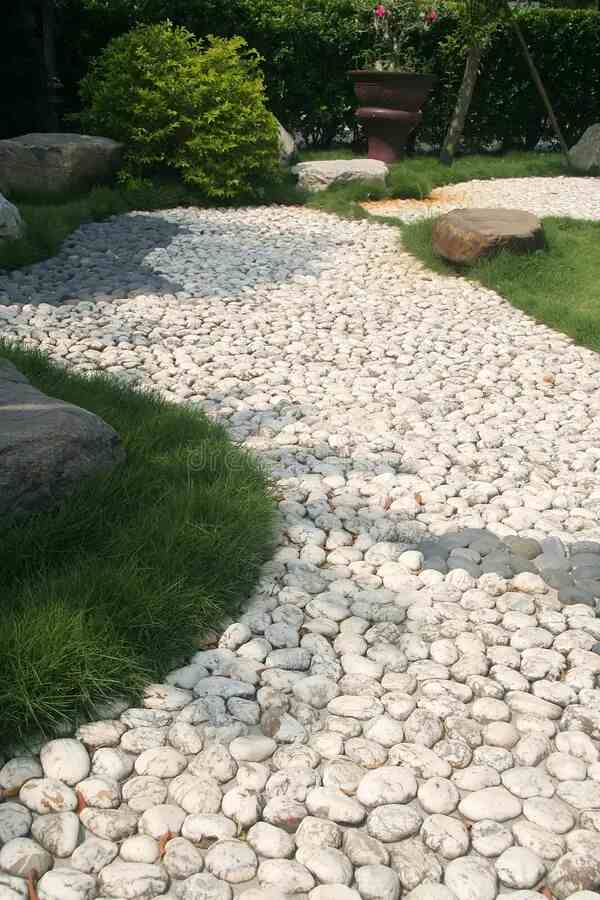
Driveways
Durable aggregates like blue metal gravel or crushed sandstone give strength and stability. They are less slippery than sand and easier to maintain than concrete in shifting soils.
Garden beds
Decorative pebbles and river gravel make excellent top layers in garden beds. They keep soil cooler, suppress weeds when used over weed mat, and give a crisp look that matches succulents and coastal natives.
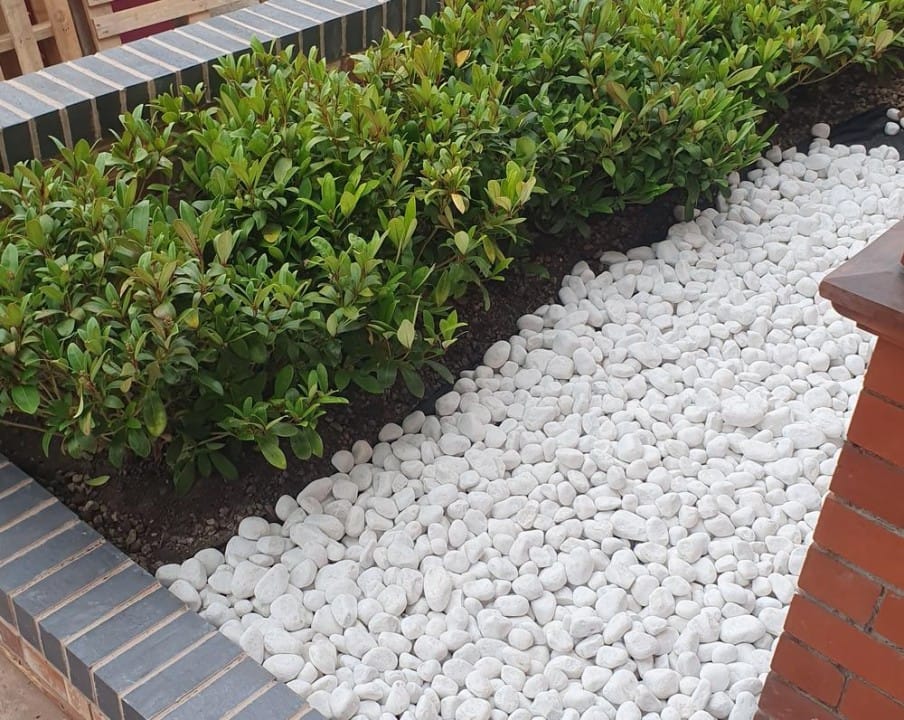
Pool surrounds
Smooth decorative pebbles are safe around pools. They add style and reduce glare when compared to pure white paving.
Dry creek beds
In coastal suburbs prone to heavy summer rain, aggregates can be used to build dry creek beds. These direct excess water safely through the yard, preventing erosion.
Choosing the right aggregate size
The size of aggregate affects how it looks and works.
-
5–10 mm: compactable, best for paths and driveways.
-
10–20 mm: versatile, good for garden beds and features.
-
20–40 mm: bold look, best for decorative beds and drainage.
-
40 mm+: used in dry creek beds and as edging stones.
In windy beach suburbs like Arrawarra or Emerald Beach, larger sizes are better as they are less likely to blow around.
Tips for installing landscaping aggregates
-
Prepare the base
Clear weeds and level the area. For paths and driveways, lay a compacted road base under the aggregates for stability. -
Use edging
Steel, timber, brick, or stone edging will keep aggregates neat and stop them spilling onto lawns or paths. -
Lay weed mat
A good geotextile fabric under garden beds prevents weeds while letting water drain through. -
Apply at the right depth
For garden beds, 40–60 mm depth is best. For driveways, use 75–100 mm. -
Compact if needed
Some aggregates, like crushed granite, need to be compacted with a plate compactor or hand tamper to create a firm surface.
How much landscaping aggregate do you need?
Calculating volume is simple.
Formula:
Volume (m³) = Length (m) × Width (m) × Depth (m)
Example:
A 5 m × 2 m path at 50 mm depth =
5 × 2 × 0.05 = 0.5 m³
For bulk orders, suppliers like MI Organics deliver by the cubic metre across the Mid-North Coast. Ordering bulk delivery is easier and cheaper than buying dozens of bags from a hardware store.
Seasonal care for landscaping aggregates
-
Summer: Keep an eye on glare from white pebbles; plant shade or use cream/river tones.
-
Autumn: Rake fallen leaves off aggregates to stop them breaking down into soil.
-
Winter: Check drainage areas, aggregates help prevent waterlogging.
-
Spring: Top up thin spots before the main growing season.
Aggregates don’t break down, but topping up every few years keeps beds looking fresh.
Landscaping aggregates and sustainability
Choosing aggregates helps reduce organic waste needs, but it’s also worth looking for recycled options. MI Organics processes green waste and recycled materials into usable landscaping products. By choosing local, you:
-
Support recycling in the Mid-North Coast.
-
Reduce landfill waste.
-
Lower transport emissions by buying closer to home.
Common questions about landscaping aggregates
Do landscaping aggregates stop weeds?
Aggregates suppress weeds, especially when laid over weed mat. Some weeds may still grow in wind-blown dust, but they are easy to pull.
Do I still need mulch if I use aggregates?
Aggregates don’t add organic matter like mulch. You can combine them: compost or soil improver under plants, then aggregates on top for looks and protection.
Are aggregates safe near the ocean?
Yes. They don’t break down or suffer from salt. Just rinse decorative pebbles if they develop salt marks.
Do aggregates make the soil hot?
Dark aggregates can warm the soil. In hot spots, choose lighter colours or plant shading species like lomandra or coastal rosemary.
How long do aggregates last?
Indefinitely. Unlike organic mulch, they don’t rot. They may need topping up or raking now and then.
The right landscaping aggregates for Mid-North Coast beaches
From Woolgoolga to South West Rocks, the Mid-North Coast’s coastal gardens face salt spray, sandy soils, and heavy rain. Landscaping aggregates are the perfect solution. They don’t break down, they help with drainage, and they give a neat, coastal look that suits everything from modern beach houses to native gardens.
Choose river gravel for natural charm, decorative pebbles for a modern finish, crushed granite for pathways, or blue metal for driveways. Use them with edging and weed mat for a long-lasting, low-maintenance result.
Whether you’re sprucing up a small Woolgoolga courtyard, building a new Macksville driveway, or designing a tropical garden in Sawtell, landscaping aggregates will keep your garden looking tidy and resilient in the face of coastal weather.
For bulk landscaping aggregates on the Mid-North Coast, contact MI Organics for delivery direct to your property.