
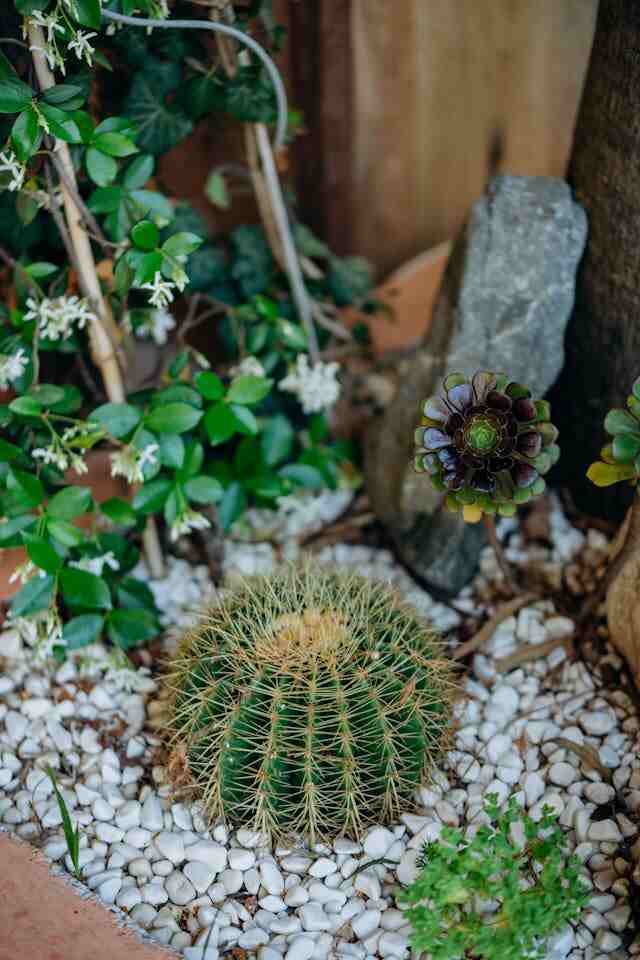
Decorative pebbles are an easy way to lift a garden bed without constant upkeep. They look tidy, help with drainage, and suit our coastal climate. Around Woolgoolga, where summers get hot and salty sea air drifts inland, pebbles are a steady choice that will not fade fast or rot. If you are planning a new bed or giving an old one a refresh, this guide explains the best decorative pebbles near Woolgoolga, how to pick the right colour and size, how much to order, and the simple steps to install them so they last.
You will also find local tips for the Coffs Coast, coverage maths you can copy, and quick answers to common questions. The aim is to help you choose well the first time, so your garden looks clean and stays low fuss.
Why choose decorative pebbles for Woolgoolga gardens
Woolgoolga sits on the Coffs Coast. We get warm summers, bursts of heavy rain, and salt spray near the beach. Organic mulches like bark and sugarcane are great in many beds, but they break down and need topping up. Decorative pebbles do not break down. They are fire safe, tidy, and pair neatly with coastal plants like agaves, kalanchoes, bougainvillea, coastal rosemary and lomandra. They also suit native style beds and modern front yards.
Key benefits for local gardens:
- low upkeep compared to bark or straw
- do not blow away as easily in sea breezes
- help with drainage during summer downpours
- non combustible, so good in zones worried about ember attack
- tidy finish around succulents, architectural plants and feature rocks
- good around pool areas when paired with firm edging
Types of decorative pebbles you can get locally
You can find a range of decorative pebbles through MI Organics on the Mid North Coast.
River pebbles
Smooth, mixed colours from creams and tans through to browns and charcoal. This is the classic look for natural coastal gardens. Sizes often range from 10 to 20 mm, 20 to 40 mm, and up to 60 mm for bold features. River pebbles are gentle underfoot, drain well, and hide leaf litter better than pure white stones.
Best for: native beds, informal paths, around water features, under frangipanis or palms, tropical and coastal planting.

White decorative pebbles
Bright and clean. Often marble or quartz based. They bounce light, which can make a small courtyard feel bigger. In full sun they can glare, so think about shade or mixing with plants that have deep green leaves. Rinse before laying for the best colour.
Best for: modern front yards, pots, around dark coloured feature plants, black steel edging, and contemporary homes.
Cream and gold pebbles
Warm shades that sit between river tones and pure white. Great for Mediterranean style planting, cactus beds and gravel gardens. They look calm in afternoon light and suit houses with cream render, sandstone or timber.
Best for: succulent beds, olive trees in pots, paths with terracotta pavers, Balinese or Mediterranean themes.
Charcoal and black pebbles
Dark stones make foliage pop. They look sharp with silver plants and bright greens. They also hide irrigation lines well. In full sun they can warm up, which can be good for succulents but not ideal for shallow-rooted soft plants.
Best for: bold contrast plantings, feature strips, around steel planters, and modern pool zones.
Polished pebbles
A glossy finish on mixed colours. Use as a highlight in small areas, pots, and water features. In big beds the shine can feel too much, so keep them for touches, not full coverage.
Best for: pots, table planters, indoor atriums, and small entry features.
How to pick the right size
Pebbles come in ranges for a reason. Size changes look, feel and function.
- 8 to 14 mm: neat and fine. Good for pots, small strips, and tight curves. Can scatter on slopes.
- 10 to 20 mm: the everyday sweet spot for beds. Looks tidy and covers well at 40 to 60 mm depth.
- 20 to 40 mm: bold and chunky. Good for big areas, strong drainage, and high leaf drop spots.
- 40 to 60 mm and larger: feature zones, dry creek beds, edging lines, and around boulders.
Tip for Woolgoolga winds: if your garden catches sea breezes, go a bit larger so the surface stays put.
Matching pebble colours to your home and plants
Colour choice makes or breaks the look. Here is a quick guide that ties common Mid North Coast house finishes and popular plants to pebble families.
- Brick or cream render homes: cream or mixed river pebbles keep things warm and natural. Pair with lomandra, murrayas, gardenias, grevilleas and flowering annuals.
- Modern weatherboard in grey or white: white or charcoal pebbles for a crisp contrast. Add agave attenuata, birds of paradise, blue chalk sticks, and feature grasses.
- Coastal timber decks and darker cladding: river mixes or gold pebbles feel casual and beachy. Add heliconias, cordylines, hibiscus and pandanus.
- Native dominated beds: mixed river pebbles or charcoal to echo local creek beds. Add kangaroo paw, banksias, westringia, callistemon and dianella.
If you are near the beach and worry about glare, avoid pure white in broad, full sun spaces. It can reflect a lot of light and feel harsh at midday.
Depth and coverage that actually works
Skimping on depth is the number one reason pebble beds look patchy within a year. For most beds, lay decorative pebbles at 40 to 60 mm deep. Finer sizes need the upper end to block light and stop weeds. Larger sizes cover well at 40 mm.
Coverage maths you can copy:
- volume in cubic metres = area in square metres × depth in metres
- to convert depth in millimetres to metres, divide by 1000
Examples:
- a 6 m by 1 m strip at 50 mm depth
volume = 6 × 1 × 0.05 = 0.30 m³ - a 3 m by 2 m courtyard at 40 mm depth
volume = 3 × 2 × 0.04 = 0.24 m³
Pea-sized bag maths if you are topping up small areas:
- if a 20 kg bag covers about 0.018 m³ at 40 mm, then 10 bags cover roughly 0.18 m³
- still, for anything over 0.5 m³, bulk delivery is simpler and often cheaper
Simple install that lasts on the Coffs Coast
Follow these steps and you will avoid most headaches.
- mark and edge
Set the bed shape. Strong edging keeps decorative pebbles neat and off the lawn. Steel strip, timber, brick, concrete, or a raised sleeper frame are all fine. Make sure the edge stands at least 30 mm above soil so pebbles stay in. - clear and level
Remove weeds and old mulch. Rake the soil flat. If your soil is heavy clay, add a thin layer of coarse sand or road base and compact lightly. This step is optional but helps stop settling. - lay weed mat
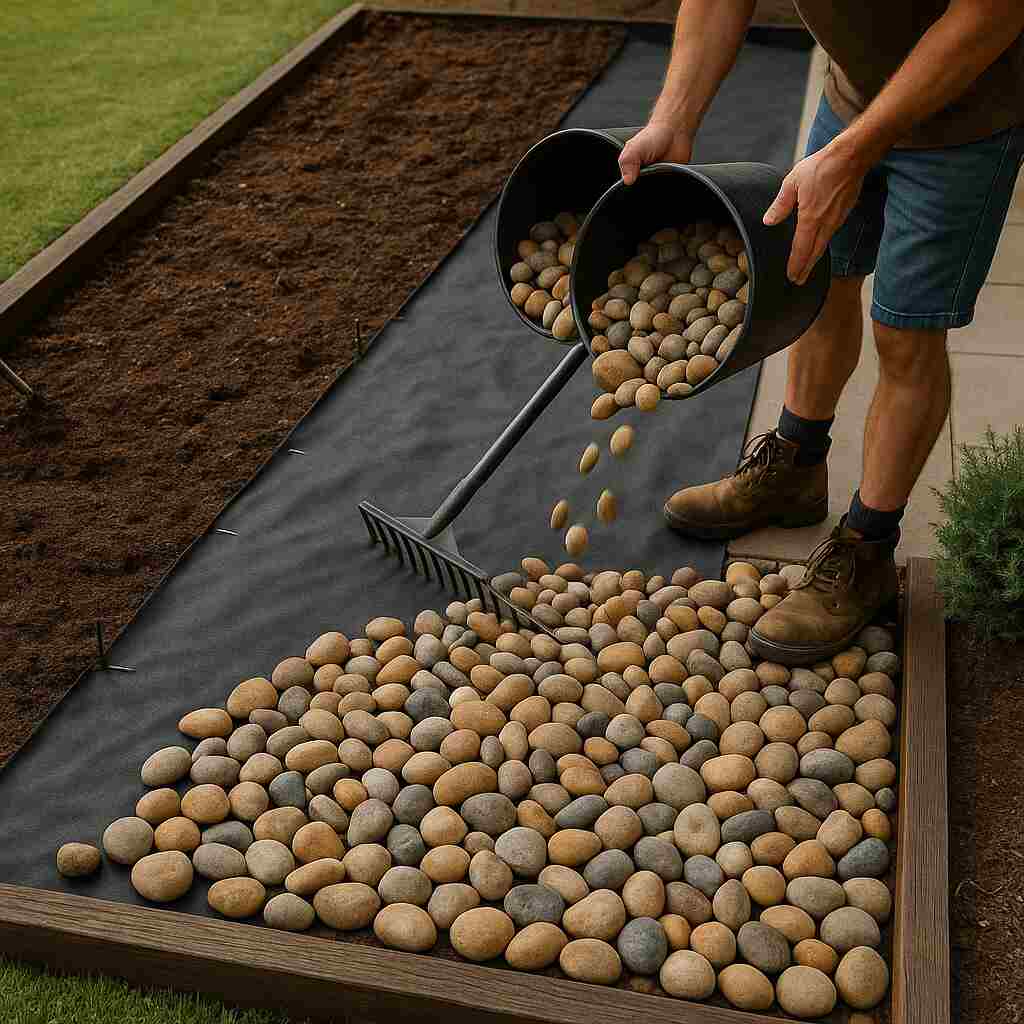
Use a quality geotextile weed fabric, not plastic. Fabric lets water through but blocks light, which is what stops weeds. Overlap joins by 100 to 150 mm. Pin the fabric down so it does not creep. - set irrigation before decorative pebbles
If using drip lines or micro sprayers, lay and test them now. Pebbles hide hoses and keep them out of sight. - pour and spread pebbles
Tip small loads onto the fabric and spread with a rake. Work to your chosen depth. Use a leaf blower at low speed to settle the surface for a clean finish. - check edges and path joins
Top up low points, square off lines along paths and pavers, and sweep hard surfaces.
Local tip for rain: beds that catch roof runoff need a discreet overflow path. A trench filled with 20 to 40 mm river pebbles under the fabric edge will carry water out without mess.
Where decorative pebbles shine
Use decorative pebbles in these spots for high impact and less upkeep.
- around succulents and architectural plants
- under eaves where rain barely reaches
- around pool zones with robust edging
- in narrow strips between driveway and fence
- as a dry creek bed to guide stormwater
- top dressing for pots and big planters
- at letterboxes and entry features
- between stepping stones with a compacted base under fabric
If you want to soften a large pebble area, add clumps of lomandra, flax, rosemary or native grasses in small pockets of soil. The green breaks up the surface and lowers glare.

Woolgoolga climate tips
The Coffs Coast can swing from dry heat to sudden downpours.
- heat: white and cream decorative pebbles stay cooler to touch than dark pebbles
- heavy rain: choose sizes 10 to 20 mm or 20 to 40 mm for good flow into the soil below
- salt air: pebbles are unaffected, which is handy near the beach
- wind: use larger sizes and proper edging so the surface stays tidy
Pairing pebbles with plants
Here are quick matches that work in our area.
- white or cream pebbles with deep green leaves: agave attenuata, philodendron hope, murrayas, magnolias
- mixed river tones with natives: westringia, grevillea, callistemon, banksia, lomandra
- charcoal pebbles with silver or blue plants: blue chalk sticks, festuca glauca, dwarf olive, cycads
- gold pebbles with warm foliage: cordylines, heliconias, kangaroo paw, golden cane palms
Keep plant pockets free of fabric so roots can grow deep. Use a ring of pebbles around the trunk or stem to keep soil splash down.
Using pebbles for drainage
Decorative pebbles are not only for looks. They are also handy for drainage fixes.
- french drains: a trench with fabric, slotted pipe and 20 to 40 mm pebbles to move water away from wet spots
- raingardens: shallow basins that collect roof runoff, planted with rushes and native sedges, topped with river pebbles
- downpipe splash zones: a circle of pebbles under each downpipe to stop erosion and mud stains
If you have standing water after storms, pebbles alone might not solve it. You may need a drain line under them. Speak with a landscaper if pooling is severe.
How much to order and delivery options
For most home projects near Woolgoolga, orders range from 0.3 to 2 cubic metres. Bulk delivery is easier than dragging dozens of bags. Trucks can tip onto a tarp on the driveway or place small loads into a tight spot if access allows. If you are working behind a fence, a mini loader drop inside the yard can cut barrow trips down to almost none.
Quick planning steps:
- measure length and width of each bed
- decide depth, usually 40 to 60 mm
- use the volume formula to add up total cubic metres
- add 5 to 10 percent extra for curves and topping up
If you are mixing two colours for a pattern, order each colour by the cubic metres it will cover. Make a simple sketch with areas marked to keep the split even.
Keeping pebble beds clean
Pebble beds are not no work at all, but they are close.
- leaves: use a leaf blower on low or a soft rake
- weeds: spot spray or hand pull. Weeds should be rare if you used fabric and proper depth
- algae or mould near taps and shaded walls: scrub with warm water and a splash of mild detergent. Rinse well. Avoid harsh chemicals that can drift into lawns or beds
- top ups: pebbles do not break down, but a handful can migrate to edges over time. Every couple of years, top up thin spots
Common mistakes and how to dodge them
- no edging
Pebbles spread. Strong edging keeps the line crisp and stops stray stones from hitting the mower. - thin coverage
Less than 30 mm will look patchy and allow weeds. Aim for 40 to 60 mm. - plastic sheeting instead of fabric
Plastic traps water. Use geotextile fabric that lets water pass. - tiny pebbles on steep slopes
They creep downhill. Use larger sizes or switch to a stabilised gravel or planted groundcover. - bright white in full western sun
Can be harsh. Use mixed river tones or cream gold blends, or add more planting to cut glare. - laying over active lawn
Remove runners and roots first. Couch and kikuyu will wriggle through joins if left alive under fabric.
Sample looks you can copy
Coastal native strip
Edging in weathered timber or steel. Mixed river pebbles 20 to 40 mm at 50 mm depth. Plant westringia, dwarf banksia and lomandra in clumps. Add a single sandstone boulder for scale.
Modern courtyard
Charcoal pebbles 10 to 20 mm at 40 mm depth with crisp black steel edging. Add three agave attenuata and a low bowl water feature. White wall behind for contrast.
Mediterranean front verge
Gold or cream pebbles 20 to 40 mm at 50 mm depth. Plant olive trees in line with rosemary and lavender. Terracotta pot near the letterbox. Simple and hardy.
Rain-friendly side path
Stepping stones on compacted road base with 10 to 20 mm river pebbles in between at 40 mm depth. Water runs through, shoes stay clean.
Buying decorative pebbles near Woolgoolga
You can pick up or book delivery through MI Organics. With nearby branches across the Coffs region, it is easy to match colour and size to your plan and get it dropped at your place. Staff can help you compare options and run the volume maths with you.
Handy checklist when you visit or call:
- bring photos of your house and beds
- know your area measurements and target depth
- think about edging and fabric
- take a small sample home if you are unsure, and look at it in your light at midday and late afternoon
Frequently asked questions
How deep should pebbles be in a garden bed?
Aim for 40 to 60 mm. Go closer to 60 mm for 8 to 14 mm stones and any area with strong sun where you want full coverage.
Do I still need weed mat?
Yes. A quality fabric underlay blocks light and makes a huge difference to weed control. It also stops pebbles sinking into soil.
Will white pebbles stain?
Near eaves and taps, yes. Rinse stones before laying and keep soil splash down with a neat planting ring or a narrow border of larger stones. Clean marks with mild detergent and a soft brush.
Are pebbles ok around natives?
Yes. Choose river mixes or charcoal. Keep plant pockets free of fabric so roots can breathe and water can soak in.
Do pebbles make soil too hot?
Dark stones can warm the surface in full sun. Plant in clumps and water deeply at the roots. Choose cream or river tones if heat is a concern.
How much do I need for a 3 by 2 metre bed?
At 50 mm depth: 3 × 2 × 0.05 = 0.30 cubic metres. Order a little extra for edges, so 0.33 to 0.35 m³.
Can I mix colours?
Yes. Keep it simple with two colours maximum, and use edging or paver lines to separate them cleanly.
Visit MI Organics today
Decorative pebbles are a strong fit for Woolgoolga gardens. They handle heat, salt and sudden rain, and they keep beds looking sharp with little effort. Pick a colour that suits your home and plants, choose a size that will sit still in local wind, and lay them at the right depth over weed fabric with solid edging. Use the coverage maths to order the right amount the first time.
If you want help choosing the best decorative pebbles near Woolgoolga or you need bulk pebble delivery, chat with MI Organics. Bring your measurements and a couple of photos and you will walk away with a clear plan and the right product.