
Why soil is the starting point for every garden
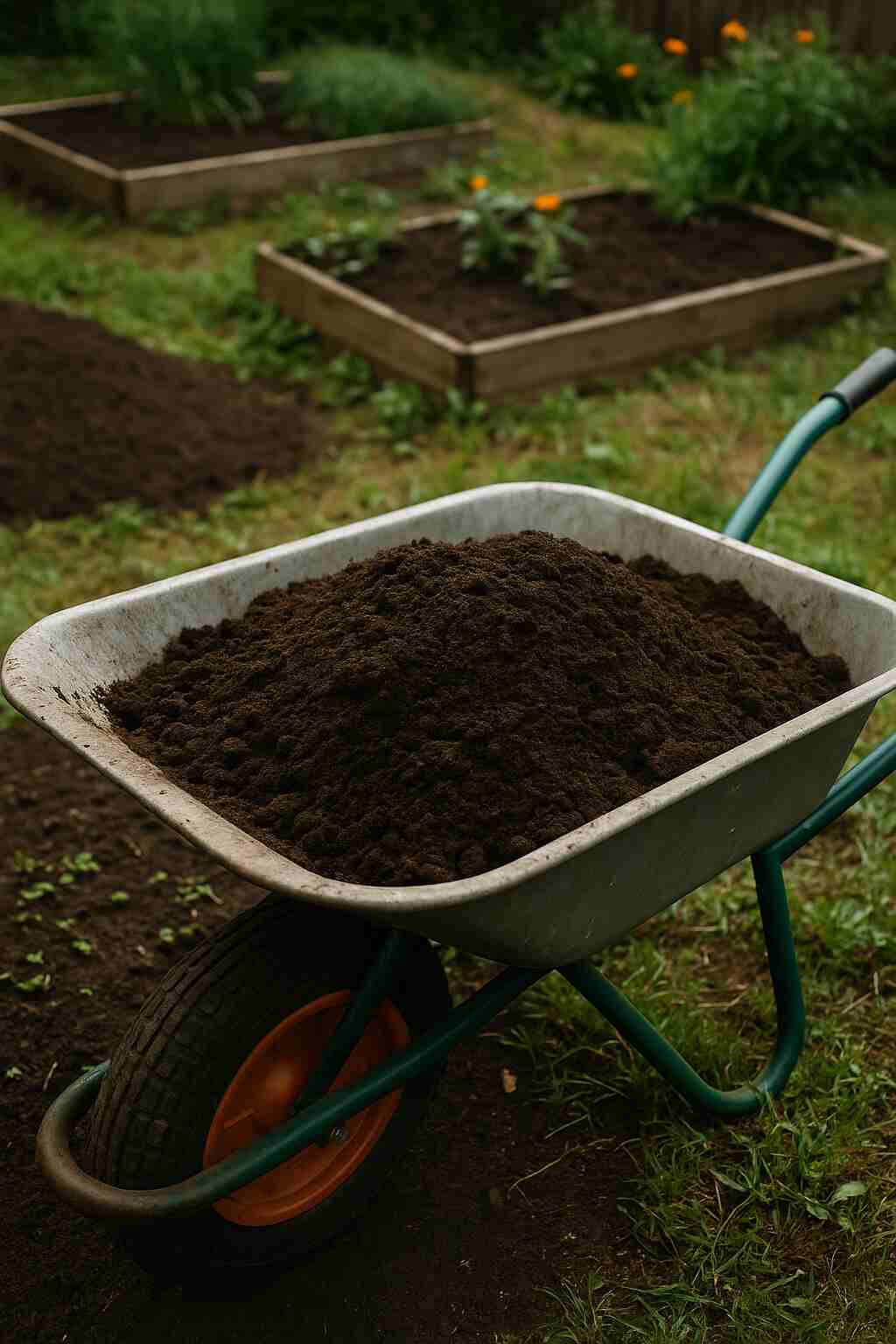
If mulch is the blanket that protects your plants, soil is the bed they sleep in. No matter how much time you spend watering, fertilising, and pruning, your garden in Grafton won’t thrive unless it starts with the right soil. Good soil feeds plants, holds water, and creates the structure that roots need to anchor themselves. Poor soil, on the other hand, means weak growth, yellowing leaves, and endless frustration.
In Grafton and the wider Clarence Valley, choosing the right soil can be a bit tricky. The region has a mix of rich river flats along the Clarence River, sandy soils in some outer areas, and heavier clays on higher ground. That means gardeners often have to amend or replace what’s already in the ground. Luckily, quality garden soil blends are available locally to make things easier.
This guide walks you through how to choose the right soil for your garden in Grafton. We’ll cover soil types, what to look for in soil blends, how to match soil to different plants, and where to source bulk soil and delivery services.
Understanding Grafton’s natural soils
The Clarence Valley has a wide range of natural soils thanks to its rivers, farmland, and coastal influence. If you’ve ever dug a hole in different parts of Grafton, you may have noticed big differences.
- River flats (around South Grafton and Junction Hill): These soils are fertile but can be heavy and waterlogged after rain. Great for some crops but often compacted in home gardens.
- Clay soils (around higher ground like Waterview Heights): Clay holds nutrients but drains poorly, which can lead to root rot if not improved.
- Sandy soils (near coastal plains toward Yamba or Wooli): Light and quick-draining, but often lacking nutrients.
- Mixed soils in suburbs (like Westlawn, Dovedale, or Carrs Creek): These often vary from yard to yard, depending on how land was filled or developed.
Because of these variations, most gardeners in Grafton choose to bring in quality garden soil or improve what they already have.
What makes a good garden soil?
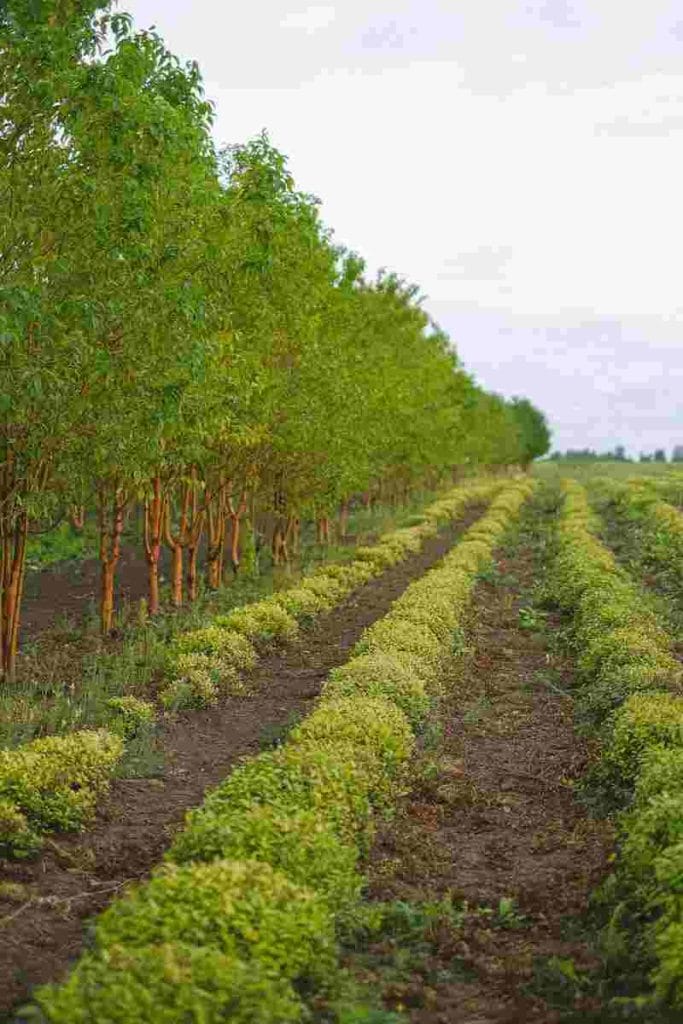
When you’re looking at soil for your garden beds, keep these key traits in mind:
- Texture: A balanced soil should feel crumbly, not sticky like clay or sandy like beach sand. The ideal is a “loam”, a mix of sand, silt, and clay.
- Nutrients: Plants need nitrogen, phosphorus, potassium, and trace elements. Quality soil blends should have organic matter to provide these naturally.
- Drainage: Water should soak in and drain through without pooling on the surface.
- pH level: Most garden plants prefer a neutral to slightly acidic soil (around pH 6–7). Some plants, like azaleas and blueberries, need more acidic soil.
- Organic matter: Compost, manures, or other organic inputs feed soil microbes, improve structure, and retain water.
Different soil blends available in Grafton
Soil suppliers in the Clarence Valley, including MI Organics, offer a range of blends to suit different uses. Here are the main options:
Garden soil mix
This is the all-rounder for garden beds. It usually includes screened topsoil, compost, and sand for drainage. Great for general planting, vegetables, flowers, and shrubs.
Premium garden mix
A higher-quality option with more organic matter and nutrients. It’s designed for vegetable gardens, fruit trees, and hungry plants that need richer soil.
Turf underlay
This blend is sandy and free-draining, making it perfect under new lawns. It helps grass roots establish quickly without waterlogging.
Potting mix
If you’re growing in pots or raised planters, bagged potting mix is better than bulk garden soil. It’s lighter, drains well, and contains additives to help roots thrive in containers.
Topsoil
Screened topsoil is useful for filling or levelling areas before laying turf or building up garden beds. On its own, though, it may not provide enough nutrients without organic additives.
Matching soil to your plants
Not every plant has the same needs. When choosing soil for your Grafton garden, think about what you’re growing:
- Vegetables and herbs: Choose a nutrient-rich premium garden mix with compost. Veggies are heavy feeders and need plenty of organic matter.
- Fruit trees: A mix with compost and good drainage is best. Citrus, mangos, and avocados love deep, fertile soil that doesn’t sit waterlogged.
- Natives: Australian natives like grevilleas and banksias prefer sandy, well-drained soil low in phosphorus. Use a soil blend suited for natives or add coarse sand.
- Lawns: A turf underlay mix is ideal. If your yard has clay soil, a sandy blend will help avoid soggy patches.
- Flower beds: A standard garden soil mix is usually fine, but enrich with compost for roses and other heavy feeders.
Common soil problems in Grafton gardens
Because of the region’s soil diversity, many gardeners face one of these challenges:
- Clay compaction: Roots struggle to grow in hard clay. Solution: add gypsum and organic matter to open up the structure.
- Sandy soils drying out: Nutrients and water wash away too quickly. Solution: add compost, manures, or premium garden soil to improve retention.
- Acidic soils near the coast: Some Grafton-area soils are too acidic. Solution: apply lime to raise pH for most plants (but avoid if growing natives that like acidity).
How much soil do you need?
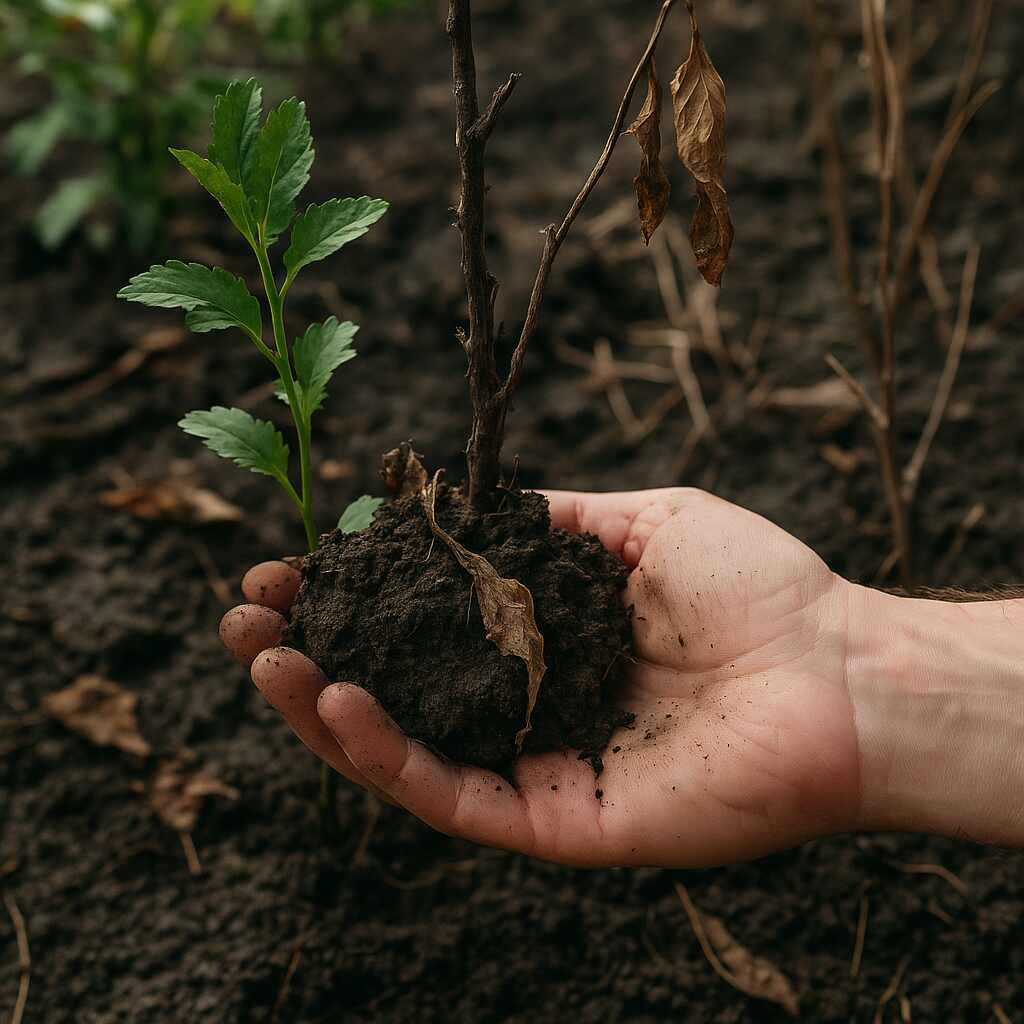
Calculating soil volume can be tricky. A standard garden bed usually needs 30-40 cm of depth. For example:
- A 3 m x 1 m raised bed at 40 cm depth needs about 1.2 cubic metres of soil.
- Larger yards in Grafton may need bulk soil delivered, especially when filling multiple garden beds or levelling lawn areas.
MI Organics offers bulk delivery in Grafton, which is much easier than hauling dozens of bags from the hardware store.
Soil delivery in Grafton
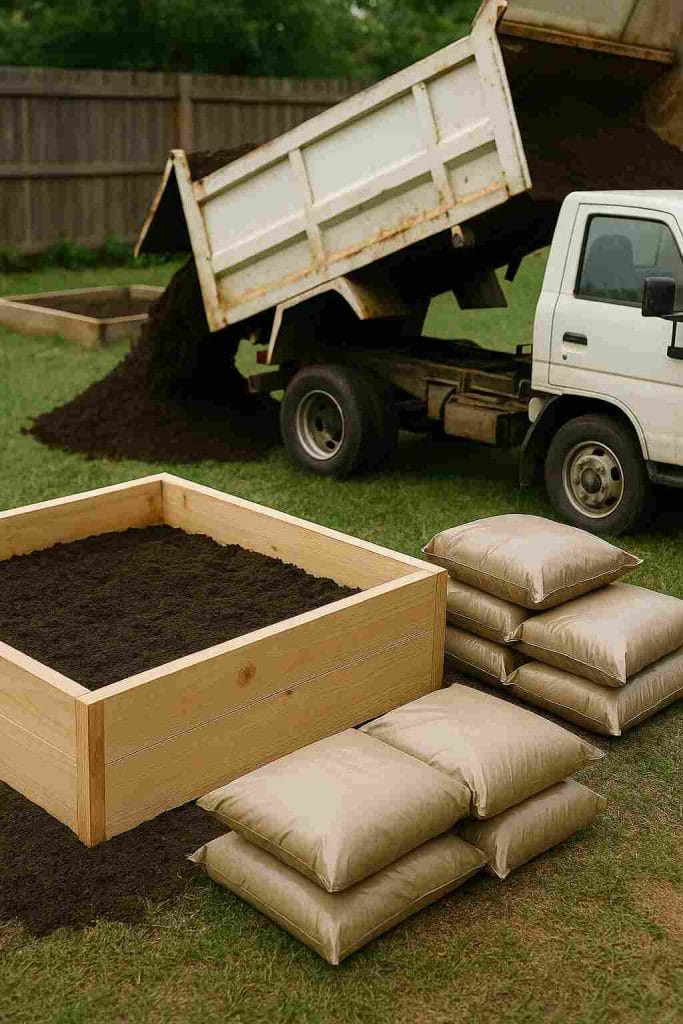
For big projects, ordering bulk soil delivered straight to your home is the most practical choice. Trucks can drop soil on your driveway or directly into your yard if accessible. This saves backbreaking work and ensures you get consistent soil quality across your whole project.
MI Organics supplies garden soil, premium soil mixes, turf underlay, and compost across the Clarence Valley, with delivery available in Grafton, South Grafton, Junction Hill, Waterview Heights, and surrounding areas.
Tips for improving your soil over time
Even if you start with quality soil, gardens need ongoing care. Here’s how to keep soil healthy in Grafton’s climate:
- Mulch regularly: Mulch keeps soil cool in summer and adds organic matter as it breaks down.
- Add compost: Homemade compost or bought compost keeps feeding soil microbes.
- Rotate crops: If growing veggies, rotate families (tomatoes, brassicas, legumes) to avoid nutrient depletion.
- Check pH yearly: Simple test kits are cheap and help you keep soil balanced.
- Don’t overwater: With Grafton’s humid summers, overwatering can lead to fungal issues.
Seasonal soil care in Grafton
- Summer: Protect soil with mulch to hold moisture during heatwaves.
- Autumn: Dig in compost before planting winter crops.
- Winter: Use cover crops or green manures to add nitrogen.
- Spring: Refresh soil in garden beds before the big growing season.
Frequently asked questions about soil in Grafton
Can I use my existing soil instead of buying new?
Yes, but it often needs improvement. In Grafton, clay soils need opening up with gypsum, while sandy soils need organic matter added. Buying a soil mix can be faster and give better results.
Is topsoil enough for vegetable gardens?
Topsoil alone usually lacks nutrients. For veggies, use a premium garden mix that includes compost and organic matter.
How do I test my soil?
You can buy simple soil test kits from garden centres, or MI Organics can help guide you based on local conditions.
Is bulk soil delivery worth it?
If you need more than a cubic metre, delivery is cheaper and easier than hauling multiple bags.
Building strong gardens from the ground up
Soil is the foundation of every successful garden. In Grafton, with its mix of clay, sand, and river soils, choosing the right blend makes a huge difference. Whether you’re planting veggies, fruit trees, or natives, matching soil to your plants will help them thrive through the Clarence Valley’s hot summers and wet seasons.
By starting with quality garden soil, improving it over time, and sourcing from trusted local suppliers like MI Organics, your Grafton garden can become the lush, productive space you’ve always wanted.
For premium soil delivery in Grafton and across the Clarence Valley, contact MI Organics today.