

If you’re working on a garden project on the Mid North Coast, you’ve probably seen weed mats at places like MI Organics or even in big hardware stores. They look simple enough. Roll them out, pin them down, add mulch or pebbles on top, and hope for a cleaner garden. But the big question remains: do weed mats actually work?
Let’s look at how they function, when they help, when they cause trouble, and how to get the most out of them. This guide will give you a clear picture before you spend time and money installing weed matting in your garden.
What weed mats are meant to do
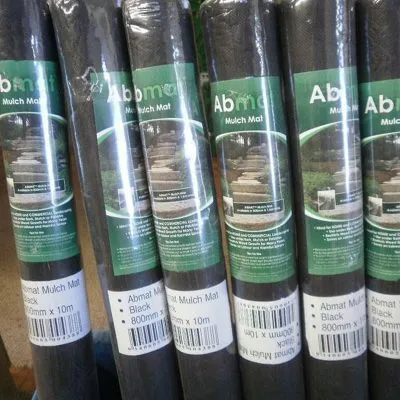
Weed mats (also called landscape fabric or garden fabric) are designed to block sunlight from reaching weed seeds. Without light, most weeds can’t sprout. The mat also forms a barrier between the soil and whatever sits on top, such as mulch, stones or garden edging. When used the right way, weed matting can cut down the amount of weeding you need to do.
Most mats still let water pass through, so your plants can take up moisture. Good ones also let air move through the soil. But there are cheap plastic versions that trap water or dry out the ground too much. That’s where the problems start.
To see your options, you can check the weed mat range at MI Organics on the Building Supplies page.
Why some gardeners like weed mats
There are a few reasons people turn to weed mats.
They want a neat, tidy look
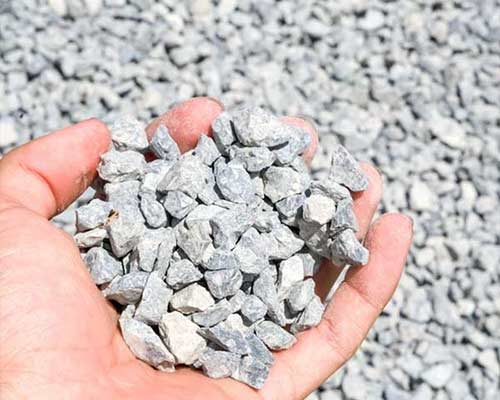
Weed mats give you clean garden beds, smooth pathways and tidy areas around trees or shrubs. If you’re doing a project with decorative stones from the Aggregate page, such as Hampton Grey 20mm or Off White Quartz, the mat helps stop the stones from sinking into the soil.
They help in areas with strong weed growth
If your place has kikuyu, couch, nutgrass or other tough weeds, a weed mat can slow them down. It won’t fix the problem forever, but it can stop the weeds from taking over right away.
They reduce the mess when topping up mulch
On the Mulch page, you’ll see how many options there are. Mulch breaks down naturally, and that’s good for the soil, but it also mixes into the dirt. A weed mat creates a layer between the soil and the mulch, making it easier to refresh your garden each year.
They’re useful under paths and stones
If you’re building a path with river pebbles, gravel or crushed stones from MI Organics, a weed mat helps keep the base even. This is handy for areas where you want a low-care surface.
Why some gardeners dislike weed mats
Even though weed mats can work well, they have downsides. Some gardeners avoid them because:
They can block soil life
Worms, microbes and fungi all play a role in healthy soil. A mat can stop organic matter from breaking down and feeding the soil. Over time the soil becomes dry, compact and lifeless.
They break down over time
Sun, heat and wet weather wear down most mats. Once they break, pieces mix into the soil and make it hard to dig or plant. Plastic types are the worst for this.
Weeds still appear
Given enough time, weeds will grow on top of the mat in the decomposed mulch or soil that builds up. They can also grow through the holes you cut for plants.
They cause drainage issues
If the mat stops water from flowing well, the soil can stay too wet or too dry. Both cause trouble for roots.
They are hard to fix once installed
If you change your mind or want to plant more shrubs, you need to cut or pull up the mat. This becomes messy, especially after a year or two when the mat has started to wear out.
Where weed mats actually work well
Weed mats aren’t right for every space, but they shine in a few situations.
Under pebble and gravel areas
If you’re creating a long pathway or a driveway border using materials from the Aggregate page, the mat helps keep everything in place. Stones don’t sink, weeds don’t shoot through as fast, and the surface looks tidy.
Under garden edging projects
If you’re installing metal edging like the steel options on the Garden Steel Edging page, a weed mat helps keep grass from creeping in. It’s good for clean lines and sharp edges.
Under raised planter beds
Some people use weed mats under raised garden beds so weeds don’t creep up from underneath. This is useful if you fill your bed with fresh soil from the Soil page.
Around large shrubs or trees
If you have native shrubs, citrus trees or ornamentals that don’t get moved often, a weed mat with a thick mulch layer helps keep the area tidy. Cypress Chip or Native Mulch from MI Organics works well here.
In commercial or rental landscapes
Weed mats help reduce maintenance in areas that don’t get much attention. They won’t improve the soil, but they will keep the space neat for longer.
Where weed mats cause more harm than good
There are a few places where weed mats don’t suit long-term gardening.
In vegetable gardens
Veggie gardens need fresh compost, mulch, and regular planting. A mat gets in the way and stops the soil from staying healthy. Instead, compost or mushroom compost from the Compost page will improve your soil far more.
In gardens with many plant changes
If you love rearranging plants, adding natives, dividing perennials or shifting things around, a weed mat restricts you.
In areas with lots of organic mulch
Mulch breaks down into compost. Over time, this builds a layer of rich soil on top of the weed mat. That soil becomes the new home for weeds, which defeats the point.
In wet or clay-based ground
Clay soil needs air and movement. A mat makes the top layer crusty. Water might sit on top instead of soaking in. If you’re working with clay, adding compost or top dressing from MI Organics is the better option.
Do weed mats help long-term?
The honest answer is that they help for a while but not forever. Most weed mats last two to five years before breaking down. The more sun and foot traffic they get, the faster they wear. High-quality fabric lasts longer than cheap plastic.
Over time, decomposed mulch and dust collect on the surface. This creates a thin soil layer where weeds grow anyway. You’ll still need to weed, but not as often as without the mat.
Many gardeners use weed mats for short-term landscaping, such as new builds, rental homes or commercial spaces, and then replace them later with natural ground covers or mulch.
How to make weed mats work better
If you choose to use weed mats, here are ways to get better results.
Choose a breathable, woven fabric
Skip the plastic rolls. Woven fabric lets water in and out. It also handles sunlight better.
Prepare the soil
Remove weeds before laying the mat. If you leave roots behind, some will grow through.
Overlap the edges
Overlap each sheet by about twenty to thirty centimetres so weeds can’t slip through the gaps.
Pin it down well
Use strong pins every half metre so the mat doesn’t lift in the wind.
Add a thick layer of mulch or stones
Aim for eight to ten centimetres of cover. The mat shouldn’t be exposed.
Check the surface each season
If soil or mulch builds up on top of the mat, rake it back or top it up. Keeping it tidy keeps weeds out.
Should you use mulch on top of weed mats?
Yes, you should. Leaving a weed mat bare creates heat, cracks and faster breakdown. A cover protects it and helps with moisture control.
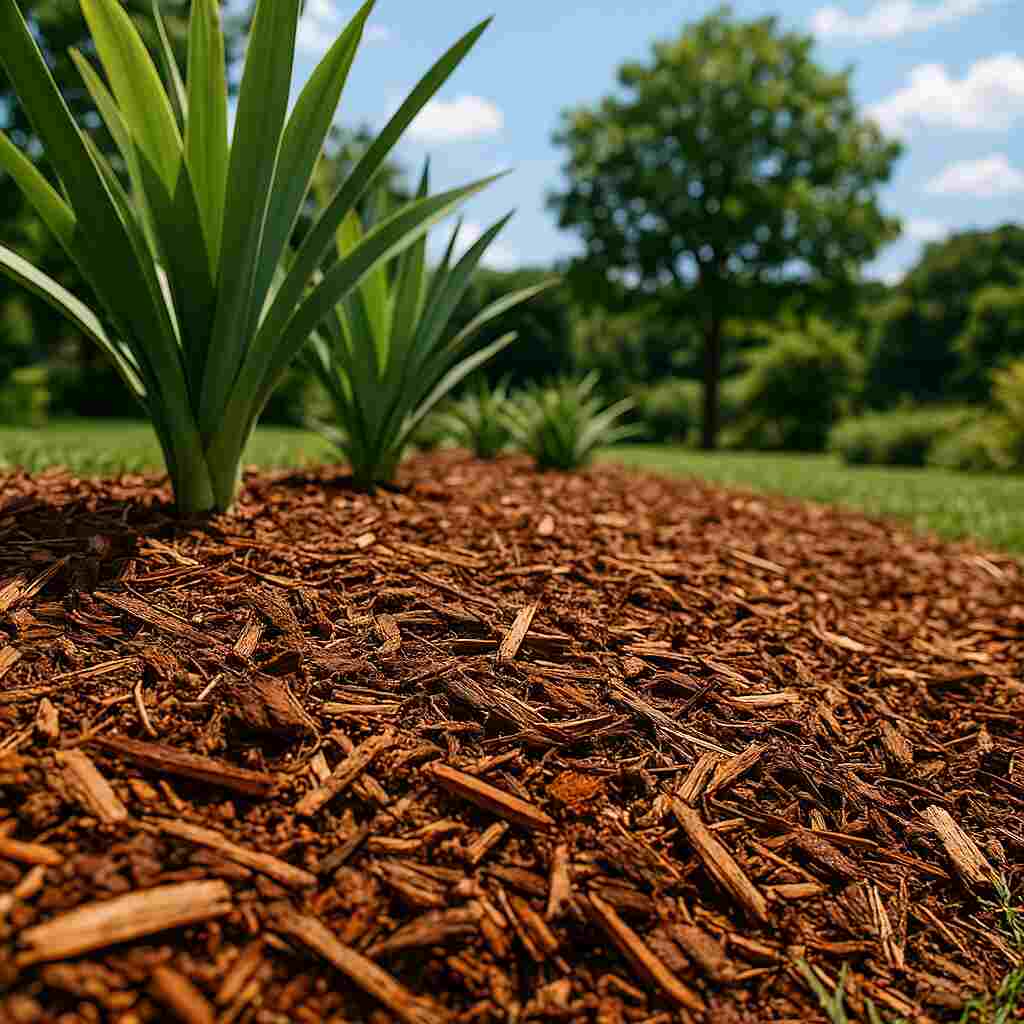
Mulches like Cypress Fine, Hardwood Chip and Tea Tree Mulch work well. They stay loose and allow airflow. You can explore the mulch options.
If you want a more decorative look, pebbles, gravel or Off White Quartz work well too.
What about using weed mats with garden edging?
This is one area where weed mats shine. When combined with steel edging, you get a sharp line that stays clean. The mat stops grass creeping in from the lawn, and the edging keeps everything neat. You can read more on how edging works:
Do weed mats improve soil?
Not really. They don’t add nutrients or organic matter. They don’t help soil life. If anything, soil under weed mats becomes dry, compact and less active over time.
If your goal is soil health, compost, mulch and regular organic matter will help far more. You can explore compost options.
Do weed mats stop all weeds?
No. They reduce weeds, but they don’t eliminate them. Here is what usually slips through:
• Strong runners like kikuyu
• Nutgrass
• Onion weed
• Seeds that land on top of the mat and sprout later
• Weeds growing through planting holes
You’ll still need to do some maintenance, but much less than without the mat.
A simple rule to decide: should you use weed mats?
Use weed mats if:
• You want tidy paths or pebble areas
• You need a clean, low-care space under edging
• You’re using stones or gravel
• You’re working on a rental, holiday home or commercial site
• You won’t be replanting often
Avoid weed mats if:
• You want a natural, living soil
• You grow vegetables or herbs
• You love rearranging plants
• You want to use lots of organic mulch
• You want long-term soil health
A better alternative for garden beds
If you’re building long-term garden beds, the best approach is mulch. A deep layer of Cypress Chip, Native Mulch or Hardwood Fines does more for the soil than weed mats ever will. Mulch keeps moisture in, protects roots, feeds the soil and stops weeds almost as well as fabric
Final thoughts: do weed mats really work?
They work when used in the right place and with the right expectations. Weed mats are a tool. They’re not magic, and they’re not useless. They help keep things tidy, reduce weeds and support low-care spaces. But they don’t improve soil, they don’t last forever, and they don’t replace good gardening habits.
If you’re creating a path, choosing decorative stones, or planning edging around your garden beds, a weed mat can make the job easier. If you want healthy soil, thriving plants and long-term growth, mulch, compost and good plant choices are far stronger options.
Visit our shops today to see our full range of weed matting, mulch, soils and landscaping products in person.