
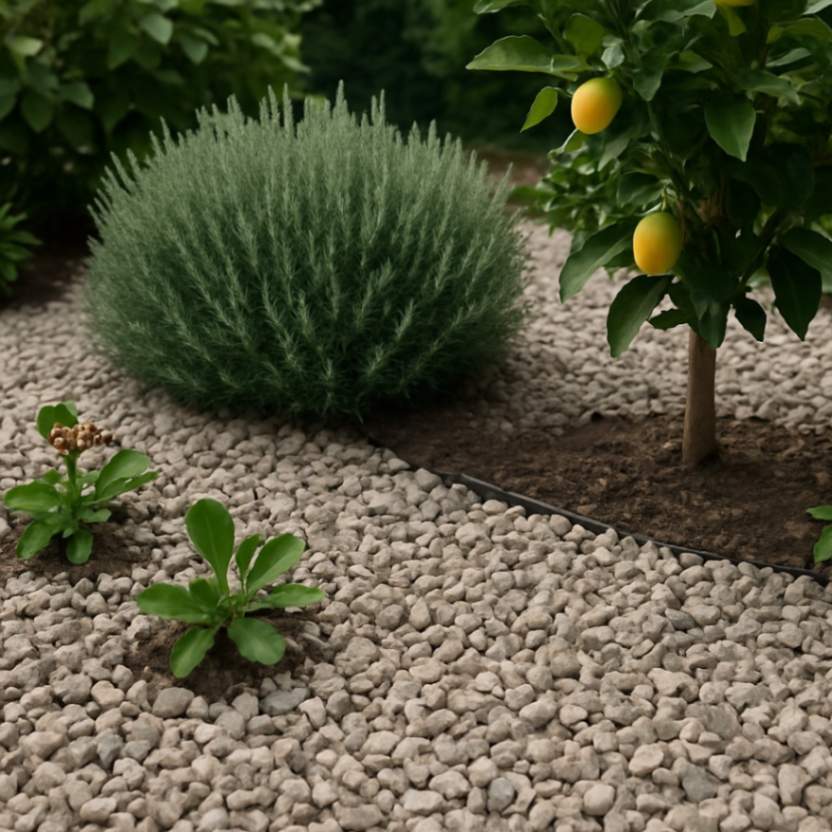
When it comes to landscaping, there are plenty of choices for what to put around plants. Some people go for mulch, others like bark chips, and more and more are using crushed stone. It gives a neat, clean look and comes in different colours and sizes. But is it a good idea to use it around plants? The answer is yes, but there are a few things you should know first.
In places like Coffs Harbour, Grafton, Townsend, Nambucca, and Woolgoolga, gardens face different challenges. Some areas have heavy rain, others get long dry spells, and coastal winds can be tough on plants. Crushed stone can be a good choice in these conditions, but it works best when used in the right way.
Choosing crushed stone
Crushed stone lasts a long time. Unlike organic mulch, it doesn’t break down or need replacing every year. It also helps stop weeds from growing, which means less time spent pulling them out.
Another reason it’s popular is how it looks. You can choose from different shades, from light grey to warm brown, to match the rest of your garden. Some people mix it with pebbles to create a softer look while still keeping the benefits of stone.
MI Organics often helps customers pick the right type of aggregate for their gardens. We know which products suit the local climate and how to use them so plants stay healthy. Just give us a visit!
How crushed stone affects soil
One thing to keep in mind is that crushed stone does not hold moisture like mulch. This means the soil underneath can dry out faster, especially in hot weather. In areas like Nambucca or Grafton, where summer heat can be strong, it’s important to water plants regularly if you use stone.
On the plus side, stone can stop too much water from soaking in during heavy rain. It creates a layer that slows down the flow, giving soil more time to absorb water without becoming waterlogged.
Over time, crushed stone can also help keep soil in place. In gardens on a slope, it acts like a shield against erosion. This is useful in coastal towns like Woolgoolga, where wind and rain can easily wash soil away.
Using crushed stone the right way
If you want to use crushed stone around plants, a few simple steps can help you get the best results.
- Prepare the area
Remove weeds and grass first. You can also lay down a weed mat to stop unwanted plants from pushing through the stones. - Choose the right size
Smaller stones fit closely together and make a solid layer, while larger stones let more air and water through. MI Organics can recommend the best size for your garden design. - Mind the depth
Too much stone can block air from reaching plant roots. A layer about 5-7 cm is usually enough. - Keep stones clear of the stems
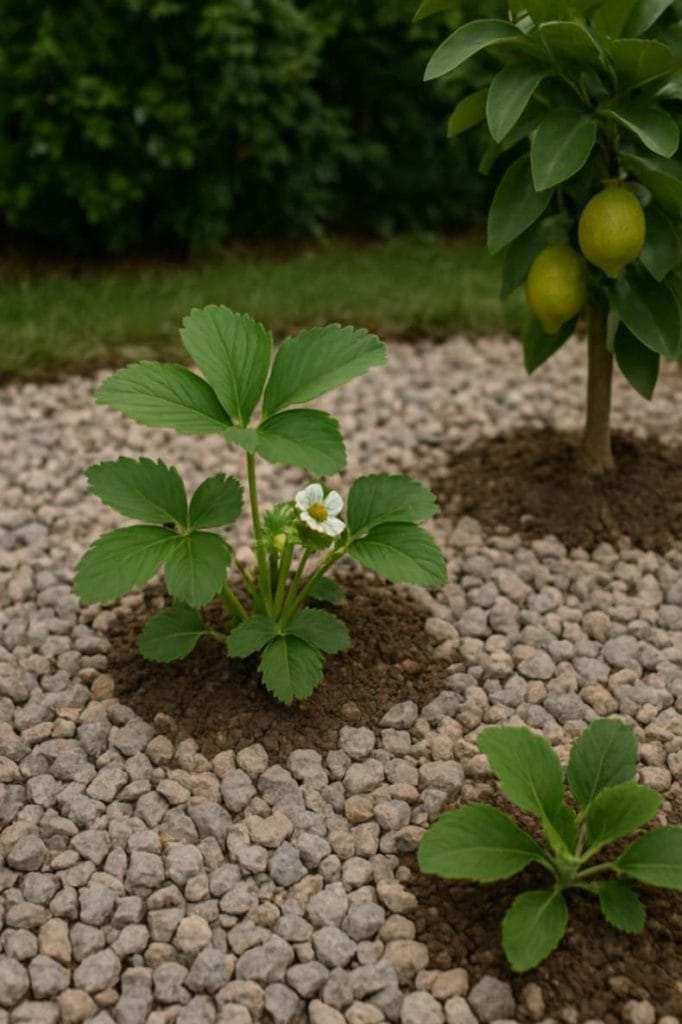
Leave a small gap around each plant so the base stays dry. This helps prevent rot and gives the plant space to grow.
Mixing crushed stone with other materials
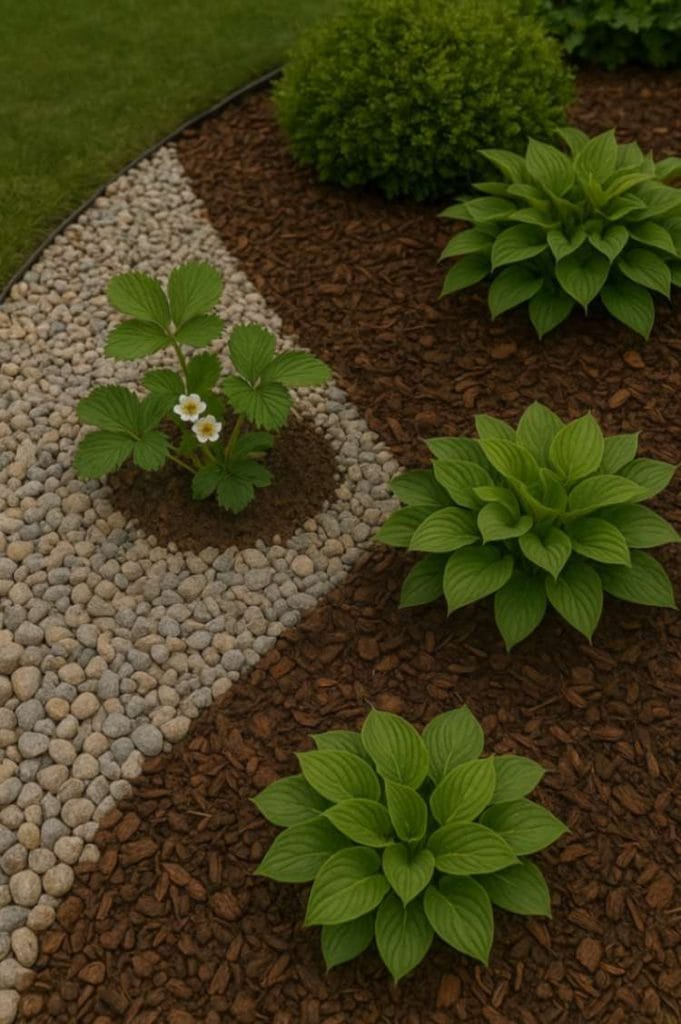
Some gardeners like to mix crushed stone with pebbles for a softer look. The mix can be arranged in patterns, adding interest to paths and garden beds. Aggregate can also be used as a base layer with larger decorative stones on top.
In Grafton and Townsend, where gardens often include native plants, this mix of materials works well. Native plants are used to low-nutrient soils and often grow better with stone around them than with heavy mulches.
MI Organics often suggests combining crushed stone with mulch in different areas of the garden. You might use mulch in spots where plants need more water, and stone where you want a clean, low-maintenance finish.
Benefits for plant health
While crushed stone does not feed plants the way organic mulch does, it has other benefits. It helps keep soil temperature steady, stopping roots from overheating in summer or freezing in winter.
It also makes it harder for pests to hide near plants. Some insects prefer damp, soft mulch to shelter in, but stone creates a less inviting environment.
In coastal areas like Woolgoolga, stone can also act as a barrier against salt spray. This protects the soil and roots from too much salt build-up.
Long-term maintenance
One of the best things about crushed stone is that it needs very little upkeep. You might need to rake it now and then to keep it even, or top it up every few years if some gets washed away.
Weeds can still grow between the stones if seeds land there, but these are usually easy to pull out because they can’t root deeply in the gaps.
Unlike organic mulch, stone does not attract termites or break down into soil, so it keeps its look for many years. This makes it a good choice for garden beds you don’t want to redo often.

Where to get quality crushed stone
If you’re in Coffs Harbour, Grafton, Townsend, Nambucca, or Woolgoolga, MI Organics offers a range of crushed stone options. They can help you choose the right colour, size, and type for your garden.
Their range also includes pebbles and other aggregate, so you can mix materials for a unique design. By buying from a local supplier, you know the products are suited to your area’s climate and conditions.
Is crushed stone right for your garden?
Crushed stone is not the best choice for every garden, but it can be a great option in the right setting. It works well for paths, garden borders, and around plants that don’t need constant moisture.
It’s also a smart choice if you want a clean, low-maintenance look that lasts for years. In places with heavy rain, like parts of Nambucca, it helps stop soil from washing away. In dry areas, like some gardens in Townsend, it saves you from replacing mulch every season.
You can definitely use crushed stone around plants, it just takes some planning. Think about your plant types, your soil, and how much rain your area gets. Choose the right size and colour, and install it properly so your plants stay healthy.
For advice and quality products, MI Organics is a great local choice. We can guide you on the best aggregate or pebbles for your space and help you get a result that looks good and lasts.
With the right approach, crushed stone can add style and function to your garden, keeping it looking neat for many years to come.