
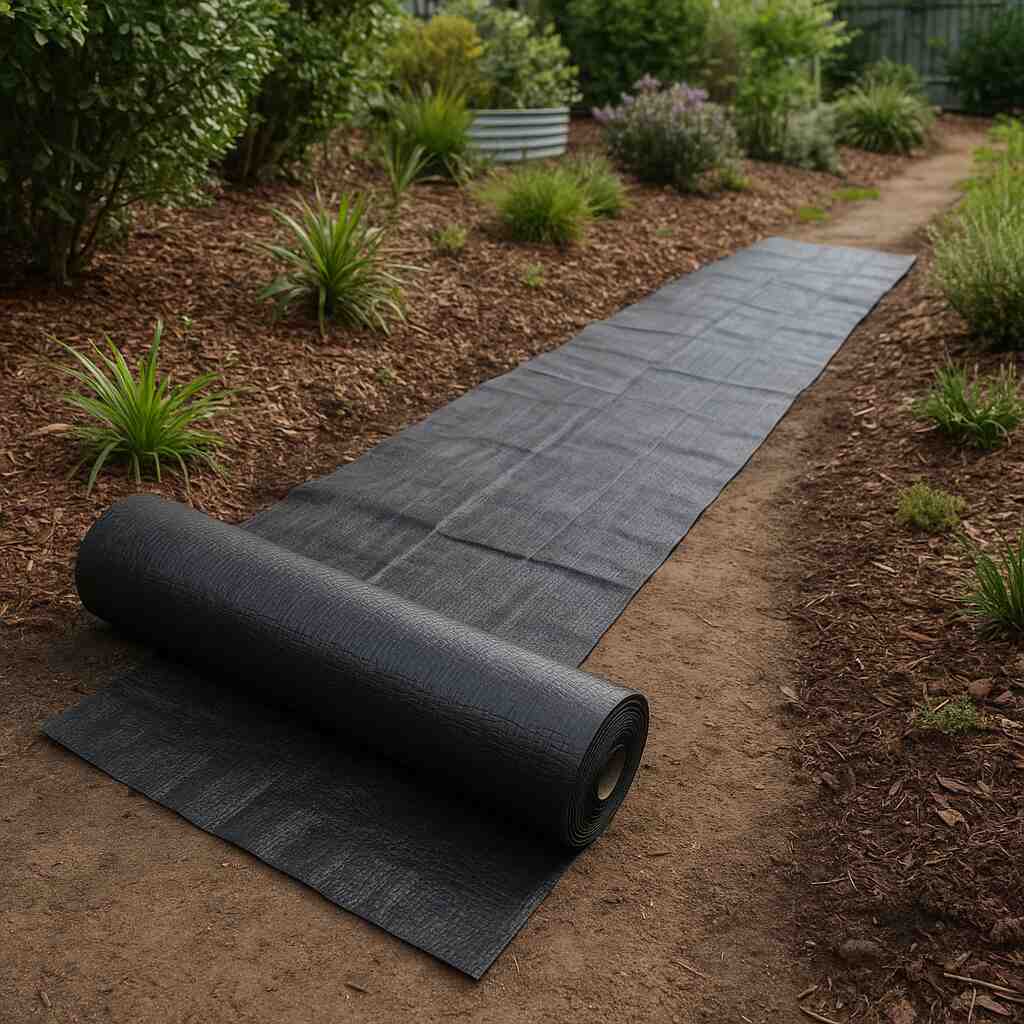
Weed matting can be handy in the right spots, and annoying in the wrong ones. Used well, it cuts weeding time, keeps paths neat, and helps loose materials like pebbles and gravel sit flat. Used poorly, it suffocates soil, traps moisture in the wrong places, and still lets weeds pop up where dirt collects on top. The trick is placement. This guide walks through the best places to use weed matting at home, with simple tips for installation and care.
If you need the product itself, find weed mat and related items under Building supplies.
A quick primer on weed mat types
Most gardeners are dealing with two broad types of weed matting:
• Woven landscape fabric. Breathable, allows water through, stands up to the sun better, and is the right choice for almost all outdoor use.
• Non-woven plastic sheeting. Cheap, tears easily, blocks airflow, and makes water sit where you don’t want it.
For long-term projects, go with a decent woven fabric weed matting. Plastic sheets seem like a bargain but often cause headaches later.
Where weed matting works best
Under decorative pebbles and gravel paths
If you’re building a path with pebbles or crusher dust, a weed mat helps stop weeds from pushing up and keeps the base tidy. It also prevents your stones from sinking into the soil.
• Pair with: river pebbles, Off White Quartz 10-20 mm, Hampton Grey 20 mm, crusher dust or road base.
• For ideas: stepping stones vs gravel paths
• Also see: best aggregates around pools
Install tips
Clear existing weeds. Lay fabric flat with overlaps of 20-30 cm. Pin every 50-75 cm, closer on curves. Add an 8-10 cm cover of pebbles or gravel so the fabric is shaded.
Along garden edging and lawn borders
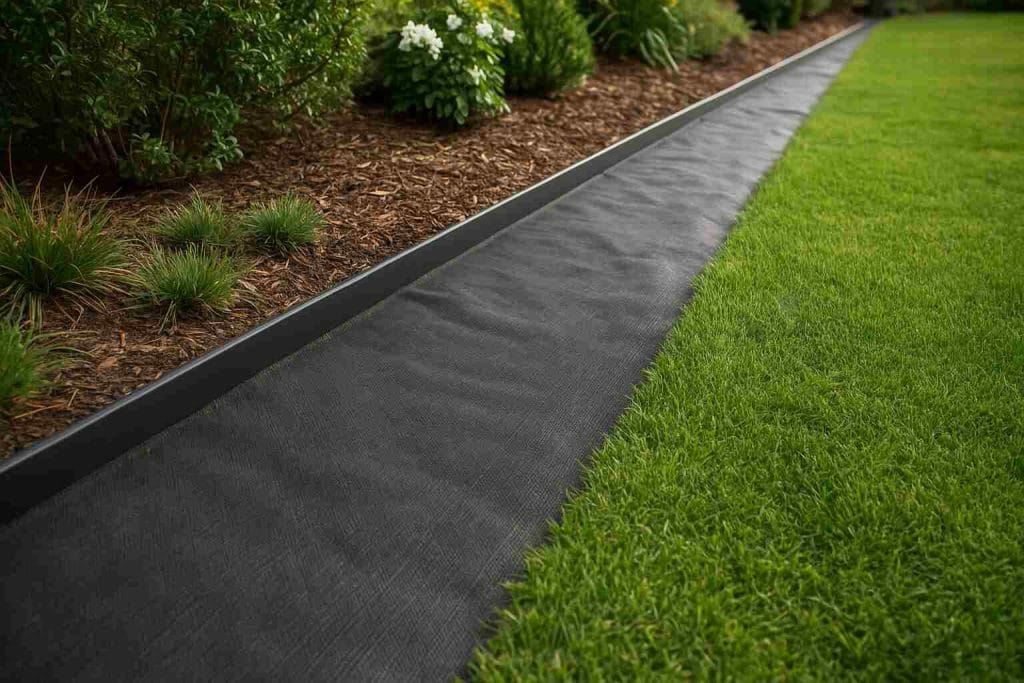
Weed matting shines under metal edging. It slows grass from creeping under the strip and keeps the border clean. Lay a narrow band of fabric on the garden side of the edging, then top with mulch or pebbles.
Install tips
Set your edging first. Tuck the weed mat under the garden side and pin it so it hugs the profile. Finish with mulch or fine pebble so it looks neat and drains well.
Under stepping stones set in gravel
If you’re making a stepping path with stone pavers floating in aggregate, a weed mat stops weeds forming in the low spots and keeps fines from washing into the soil.
Install tips
Prepare a compacted base. Lay weed mat, then add a thin bedding layer of coarse river sand or crusher dust to level your stones. Backfill with your chosen pebble.
Narrow side paths and utility strips
The space down the side of a house often gets little sun and lots of foot traffic. Grass struggles, but weeds thrive. A simple combo of weed matting + pebble works a treat here and keeps mud down.
Install tips
Screed a thin layer of bedding sand for a smooth plane. Lay fabric, pin well, and top with 10 cm of 10-20 mm pebbles that won’t stick in shoe treads.
Beneath letterbox surrounds, bins, and water tanks
These small, high-use zones get scuffed bare, then weeds move in. A circle or rectangle of fabric, covered with pebble or coarse mulch, stays tidy and drains well.
Install tips
Cut a neat circle with a utility knife. Leave 2-3 cm gap at posts or tank feet for airflow. Top with pebble so the weed mat is fully covered.
Under play areas or dog runs (with the right cover)
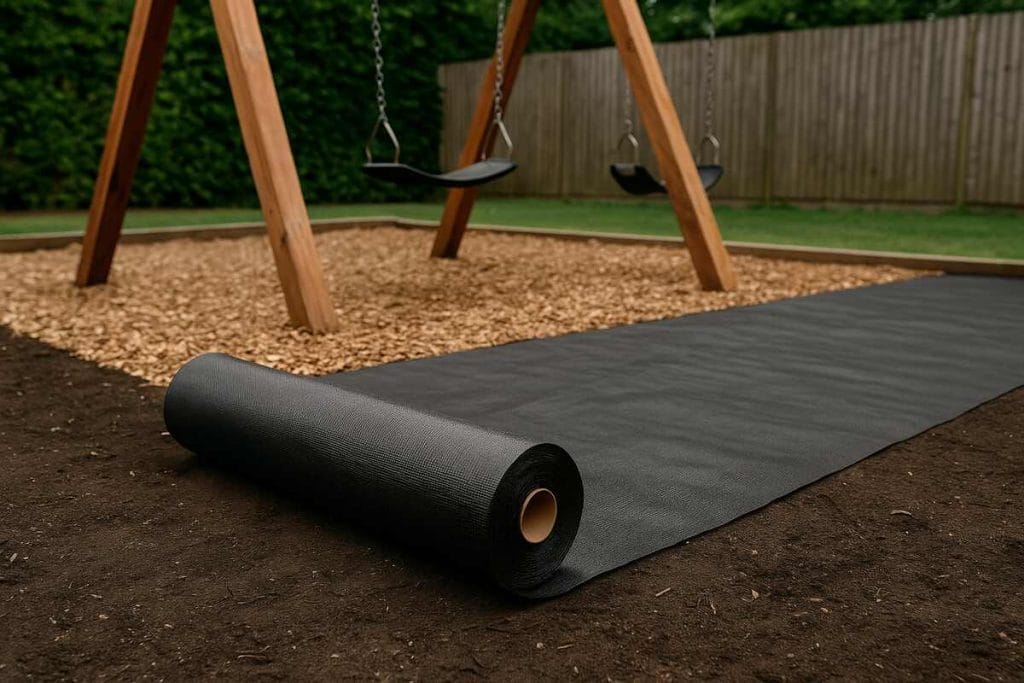
If you’re building a loose-fill play area with washed sand or fine pebble, weed matting stops soil from mixing into the surface. For dogs, it helps reduce muddy patches near runs or kennels.
Install tips
Use a quality woven weed mat and pin heavily at the edges. Avoid black plastic. Cover fully and check that water can still drain after heavy rain.
Slope control under mulch and stone
On gentle slopes, fabric under mulch helps keep material from sliding after rain and slows weed growth. Pair with chunkier mulches or interlock with small pebbles for grip.
Install tips
Run the fabric horizontally across the slope with generous overlaps. Use plenty of pins. Choose a coarse mulch like Cypress Chip or a 10-20 mm pebble.
Under raised beds and along the outer perimeter
Many gardeners lay fabric under the outer edge of raised beds to reduce couch and kikuyu invasion. Inside the bed, skip fabric and rely on good soil and compost.
Install tips
Do not line the whole bed with fabric. Your plants need roots in real soil. Instead, lay a 30-40 cm band outside the bed wall and top with mulch.
Around trees and non-moving shrubs
If you have established shrubs, a ring of weed mat under mulch reduces hand weeding. Good for citrus, olives, and ornamentals where you won’t be digging often.
Install tips
Cut a neat cross to fit around the trunk without touching the bark. Keep mulch 5-10 cm back from stems to prevent rot.
Under outdoor features and decor
Bird baths, windmills, and planters can sit on a neat pad of fabric topped with pebble. It keeps things level and discourages weeds.
Install tips
Compact the base lightly, lay weed mat, then add a 10 cm layer of small pebble for a clean finish.
Pool surrounds with decorative stone
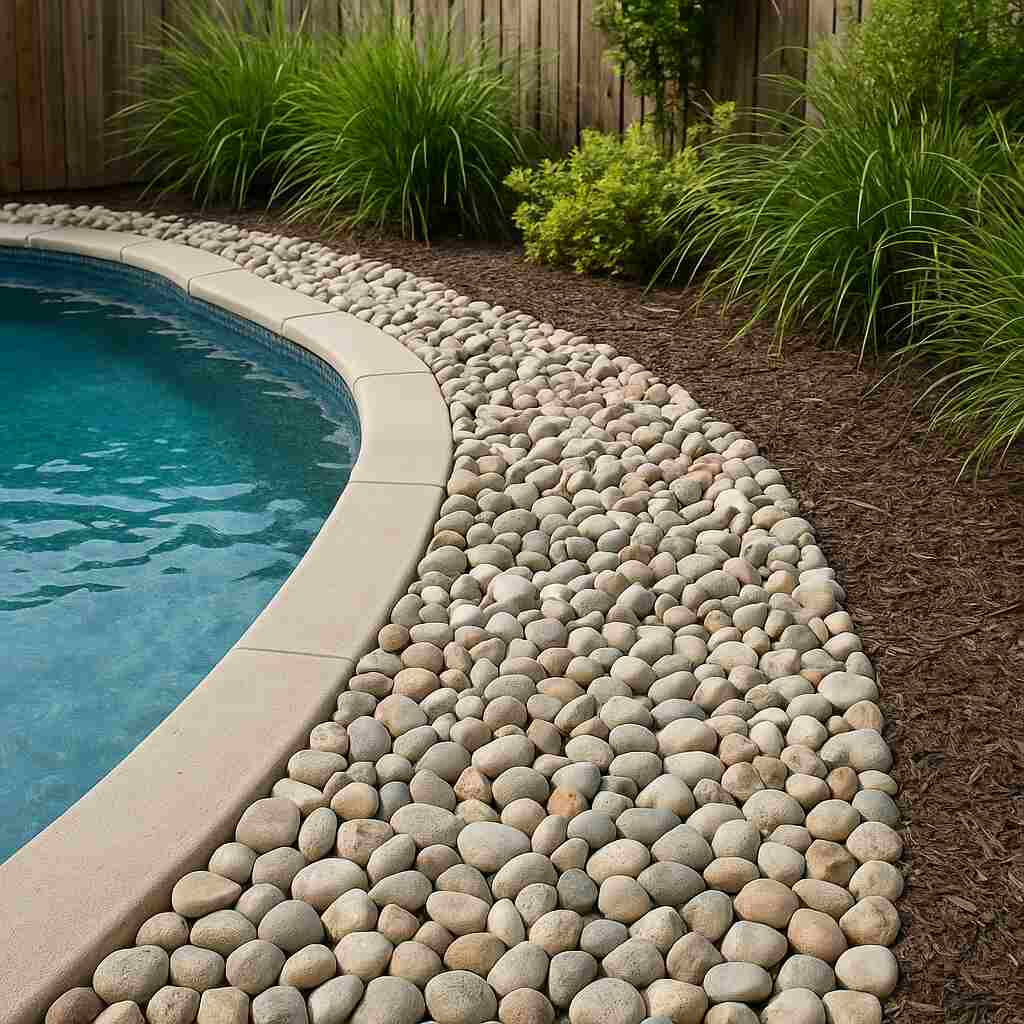
For modern, low-care pool borders using pebbles, a fabric layer helps keep the surface clean. Pick light-coloured pebbles that stay cool. Check out vest aggregates around pools.
Install tips
Confirm your drainage. Pools splash; you want water to move through quickly. Use breathable fabric only and a free-draining sub-base.
Driveway verges and nature strips
If you’re done arguing with grass near the kerb, convert to a low-care verge with edging, fabric, and coarse pebble. It copes with light foot traffic and stays tidy. Check out some edging choices.
Install tips
Set edging to contain stones. Lay fabric and top with 14–20 mm pebble so it doesn’t track into the street.
When weed matting is not a great idea
• Vegetable beds and areas you replant often. Fabric gets in the way, and soil health suffers. Use compost and mulch instead.
• Places where organic mulch will be your main cover long-term. Mulch breaks down and forms soil on top of the fabric. Weeds then grow in that layer.
• Heavy clay zones needing soil improvement. You’ll get more value from compost, sand blends, and time.
• Native gardens designed to be living soil systems. Mulch, not fabric, is your friend here.
For better soil health and fewer weeds the natural way, read:
• Garden sand helps plants
• Choosing the right garden soil
Simple installation checklist for weed matting
- Clear existing weeds, roots, and debris.
- Grade and compact your base where a firm surface is needed.
- Lay woven fabric, shiny side down if there is one.
- Overlap 20–30 cm and pin every 50–75 cm. Add extras on curves and edges.
- Cut neat crosses for plants, then fold flaps under rather than leaving loose.
- Cover fully with 8–10 cm of mulch or stone. Weed matting should not be visible.
- Check after the first heavy rain and top up where needed.
Maintenance so it keeps working
• Sweep or rake off fallen leaves, silt, and soil that settle on top. This stops a new seed bed forming.
• Top up your cover each year so the fabric stays shaded.
• Spot-weed early. Weeds that germinate on top pull out easily while small.
• Inspect pins at the edges after big winds. Re-pin if the fabric lifts.
Mulch or pebbles on top: which to choose
Mulch
Warmer, softer underfoot, and adds organic matter when used without fabric. If you do use fabric, pick a chunkier mulch like Cypress Chip or Tea Tree Mulch so water still flows through.
Pebbles and gravel
Cleaner lines, crisp look, and great with steel edging. Ideal for side paths, letterbox pads, and pool surrounds. Choose a size that won’t migrate too easily.
Common mistakes to avoid while weed matting
• Using plastic sheeting. It starves the soil and traps water.
• Leaving fabric exposed to the sun. It becomes brittle.
• Skipping overlaps. Small gaps become weed highways.
• Lining entire garden beds where you plan to plant often. You’ll regret it later.
• Ignoring drainage. If water pools, weeds follow. Improve the base first.
What to use instead of weed mat in living beds
• A thick mulch layer, 8–10 cm, topped up once or twice a year.
• Good compost to boost soil biology and help plants outcompete weeds.
• Smart plant spacing so the canopy shades the soil.
• Occasional hand weeding while weeds are tiny.
Putting it all together
Use weed mat where you want a tidy, low-care surface under pebbles or around edging. Skip it in vegetable beds and places where soil life matters most. When you do use it, choose woven fabric, prepare the base, overlap and pin properly, and always cover it with enough mulch or stone.
Visit our shops today to see weed mat, edging, mulch, soil, pebbles, and everything else you need for a tidy yard.