
Why composting matters in Nambucca
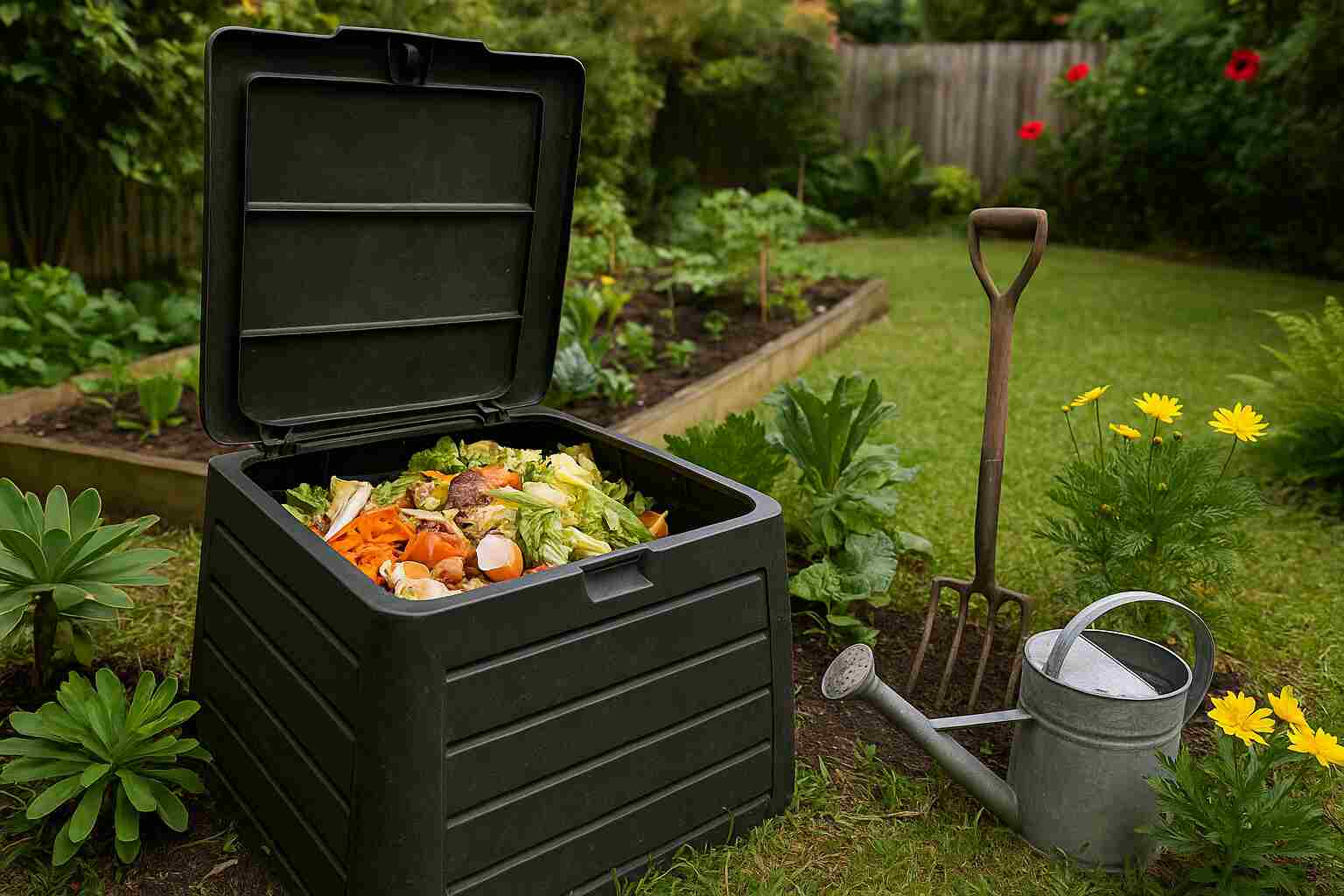
The Nambucca Valley is one of those places where gardens can thrive if you give them the right care. With warm, wet summers and mild winters, plants grow fast. But fast growth also means fast soil exhaustion. Compost is the easiest way to give back what your garden takes out. It recycles food scraps, lawn clippings, and leaves into rich organic matter that feeds your soil naturally.
In Nambucca, composting is not just about saving money on fertiliser. It’s about cutting waste that would otherwise end up in landfill, reducing methane emissions, and keeping nutrients in the local environment where they belong. A good compost system will also keep your plants healthier, make your soil more resilient, and even help gardens cope better with the Valley’s summer downpours.
What compost actually is
At its heart, compost is simply organic material that has been broken down by microbes, fungi, worms, and other soil life. The end product is dark, crumbly, and smells earthy. When you spread it on your garden, it improves soil structure, adds nutrients, and boosts the natural ecosystem underground.
Think of compost as a slow-release fertiliser plus soil conditioner rolled into one. Unlike synthetic fertilisers, it doesn’t just feed plants once. It builds long-term health into your soil.
The composting climate in Nambucca
Composting is easier in Nambucca than in many other parts of Australia. Our warm, humid climate helps organic matter break down quickly. Summer rains add moisture, while mild winters mean piles rarely stop cooking. But there are challenges too. Heavy summer rains can leach nutrients, and humid conditions can make piles smell if not balanced properly. That’s why it’s worth learning a few tricks to keep compost sweet and steady.
What you can compost
Almost all organic matter can go into compost, but it helps to know what works best.
Greens (nitrogen-rich)
-
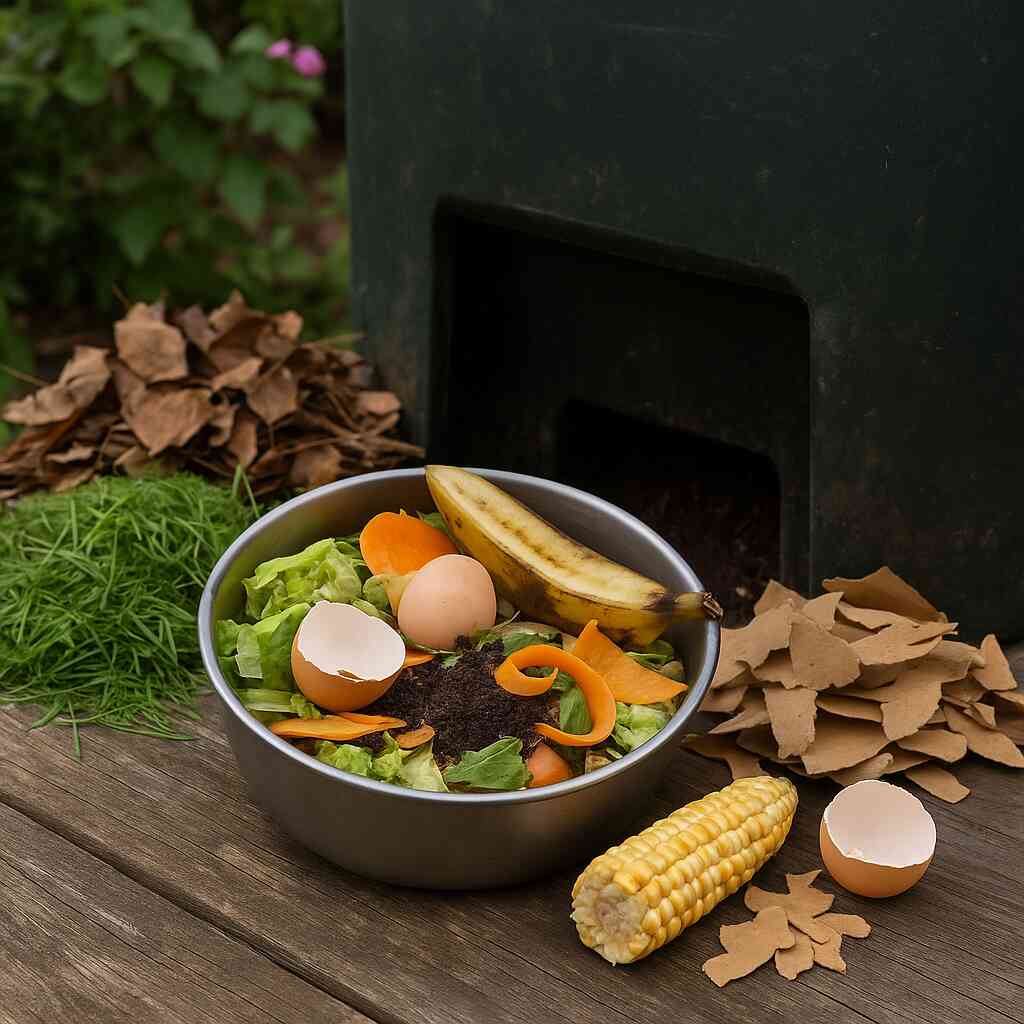
food scraps (vegetable peelings, fruit cores, coffee grounds, tea leaves)
-
grass clippings (best if mixed with browns to stop them going slimy)
-
fresh weeds (avoid those with seeds if your pile doesn’t get hot enough)
Browns (carbon-rich)
-
dry leaves, twigs, and branches
-
shredded paper, cardboard, egg cartons
-
straw or sugarcane mulch leftovers
-
sawdust from untreated timber
Extras
-
manures from herbivores (cow, horse, chicken) add nutrients
-
wood ash in small amounts (too much makes compost alkaline)
Avoid
-
meat, dairy, oils (they smell and attract pests)
-
pet droppings (can spread disease)
-
glossy magazines or treated timber sawdust
Setting up compost in Nambucca
You don’t need fancy equipment to compost, but a few simple setups work best.
Compost bins
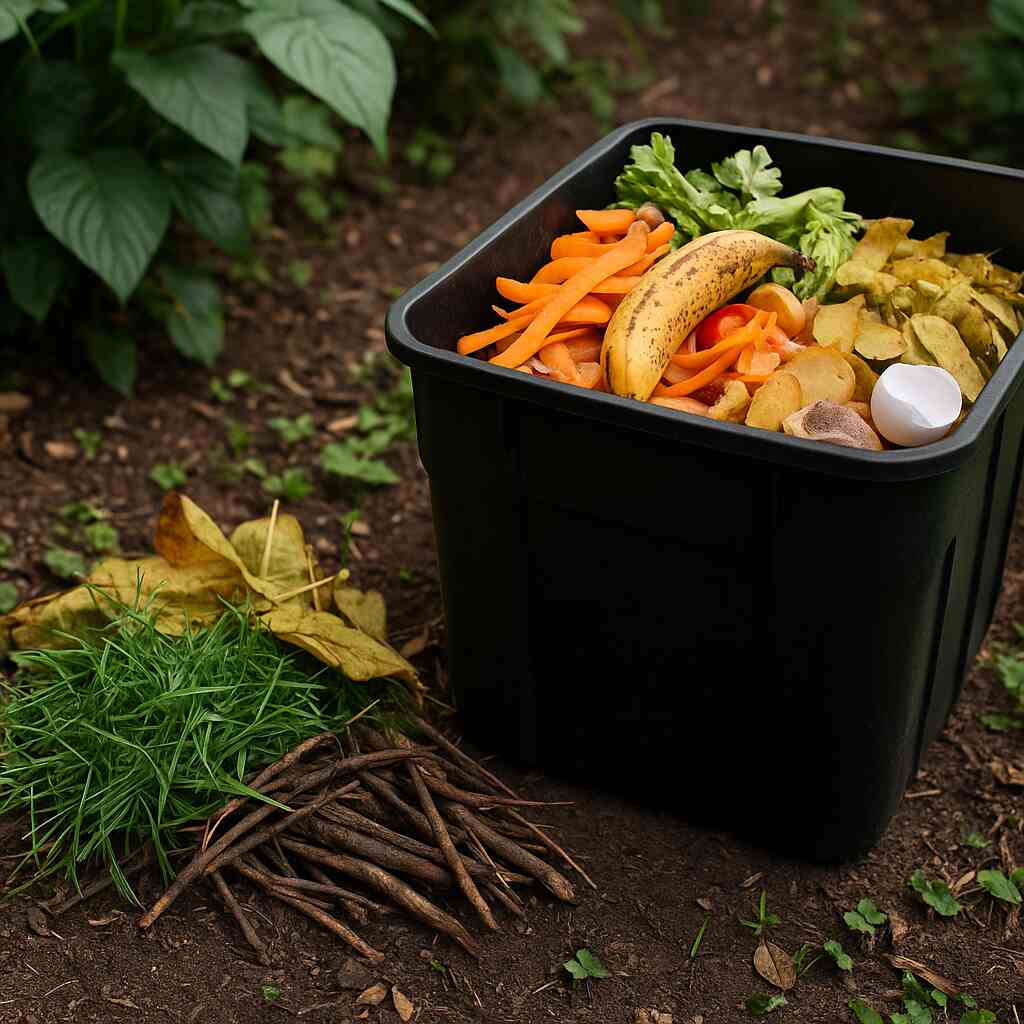
Closed bins suit small backyards in Nambucca Heads, Valla Beach, or Hyland Park. They keep pests out and keep things tidy. Plastic bins hold moisture well, which is handy in dry spells.
Compost bays
If you have more space, like on a property at Macksville or Bowraville, timber or pallet bays let you compost large amounts. Open bays break down faster because they breathe more, but you’ll need to manage moisture in summer rain.
Tumblers
Compost tumblers are good for people who want faster results with less turning. By spinning the barrel, you aerate the mix. Perfect for small gardens with limited space.
Worm farms
Worms are compost champions. A worm farm will turn scraps into worm castings and liquid fertiliser. These are supercharged soil boosters. Worm farms suit courtyards, units, or anyone who wants a low-smell, low-hassle system.
How to balance compost
The secret to good compost is balance. Greens (nitrogen) and browns (carbon) need to work together. The rough guide is:
-
1 part greens to 2–3 parts browns
Too many greens: pile turns slimy and smelly.
Too many browns: pile sits dry and breaks down slowly.
In Nambucca’s climate, the extra humidity often makes piles too wet, so leaning toward more browns helps. Add shredded cardboard, dry leaves, or straw whenever things look sloppy.
Step-by-step composting process
1. Build your pile
Start with a base of sticks or coarse material for airflow. Then layer greens and browns. Alternate kitchen scraps with dry leaves or paper. Add manure if you have it for a nutrient boost.
2. Keep it moist
Your compost should feel like a wrung-out sponge. Too dry, and microbes slow down. Too wet, and it goes anaerobic (smelly). Cover bins or bays during heavy rain to stop leaching.
3. Turn the pile
Turning adds air, which speeds up breakdown. In Nambucca’s climate, turn once every 1–2 weeks in summer, and every 3–4 weeks in winter. Tumblers make this easy, but even with a bay you can just flip with a fork.
4. Watch the heat
A healthy pile will warm up inside. Heat is a sign microbes are active. In Nambucca, piles often heat quickly thanks to warm air temperatures. That’s good for killing weed seeds and pathogens.
5. Wait for the finish
Compost is ready when it’s dark, crumbly, and smells like fresh earth. You shouldn’t recognise the original scraps anymore. In Nambucca, this can take as little as 2–3 months in summer, or 4–6 months in cooler times.
Compost troubleshooting
Problem: smells bad
Cause: too many greens or too wet.
Fix: add browns, turn pile, and cover from rain.
Problem: pile is dry and not breaking down
Cause: too many browns, not enough moisture.
Fix: add greens, water lightly, and turn.
Problem: too many flies or pests
Cause: exposed food scraps.
Fix: bury scraps under browns, or use a closed bin.
Problem: weeds sprouting in compost
Cause: pile not hot enough.
Fix: turn more often, or avoid seeding weeds.
Using compost in your garden
Once compost is finished, you can use it all over the garden:
-
Vegetable beds: dig in 5–10 cm before planting.
-
Fruit trees: spread a ring around the drip line and cover with mulch.
-
Pots and planters: mix with potting mix (no more than 30% compost to avoid soggy soil).
-
Flower beds: mix into soil to boost blooms and resilience.
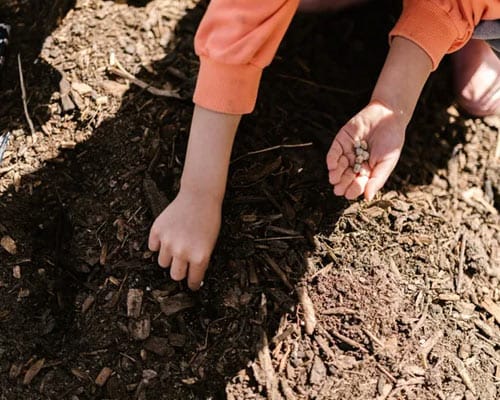
In Nambucca, compost is especially useful for sandy soils near Valla Beach or Scotts Head. It helps hold moisture and nutrients that would otherwise wash through. In heavier clay soils near Bowraville, compost opens the structure and improves drainage.
Buying compost in Nambucca
Not everyone has time or space to make enough compost. That’s where local suppliers like MI Organics come in. Bulk compost is made from recycled green waste and is screened for quality. You can order by the cubic metre, with delivery across Nambucca, Macksville, Bowraville, Scotts Head, and beyond.
Buying compost is a quick way to fill new garden beds, refresh large lawns, or kickstart veggie gardens without waiting months for a home pile to finish.
Seasonal composting tips for Nambucca
Summer
-
cover piles from heavy rain
-
turn more often to stop anaerobic smells
-
watch for extra fast breakdown and be ready to use compost sooner
Autumn
-
collect fallen leaves for browns
-
stockpile dry matter for use in wetter months
Winter
-
compost slows down a little, but still active thanks to mild temps
-
insulate piles with straw or carpet if you want more heat
Spring
-
feed compost into veggie beds before planting tomatoes, cucumbers, and zucchinis
-
use worm tea as a liquid feed for seedlings
Compost and the environment
Composting helps the local environment in more ways than one:
-
reduces landfill waste in the Nambucca Valley
-
cuts methane gas from decomposing food waste
-
keeps nutrients cycling in local soils rather than being lost
-
helps gardens hold water during dry spells
-
supports soil life that resists pests and disease
Common questions about compost in Nambucca
How long does compost take in Nambucca?
In summer, 2–3 months is enough if you turn regularly. In winter, expect 4–6 months.
Can I compost banana skins and citrus?
Yes, but chop them small. Citrus is acidic, so balance with extra browns.
Do I need a compost bin?
No, but bins make it tidy and pest-resistant. Bays are fine if you have space.
Can I compost seaweed from Nambucca beaches?
Yes. Rinse to remove salt, then add as a nitrogen source. Great for minerals.
Is compost better than fertiliser?
They do different jobs. Compost builds soil structure and feeds slowly. Fertiliser gives fast nutrients. The best gardens use both, but always start with compost.
Composting for a greener Nambucca
Composting is simple, effective, and perfect for the Nambucca Valley climate. With the right mix of greens and browns, a little turning, and protection from heavy rain, you can make rich compost that transforms your garden. From Macksville to Scotts Head, home gardeners are already turning scraps into soil gold.
Whether you build your own pile or order bulk compost from MI Organics, the result is the same: healthier soil, stronger plants, less waste, and a cleaner environment for the Valley.
If you’re ready to get started, set up a bin or bay today. If you need a head start, order a load of quality compost delivered to your home in Nambucca. Either way, your garden will thank you.