
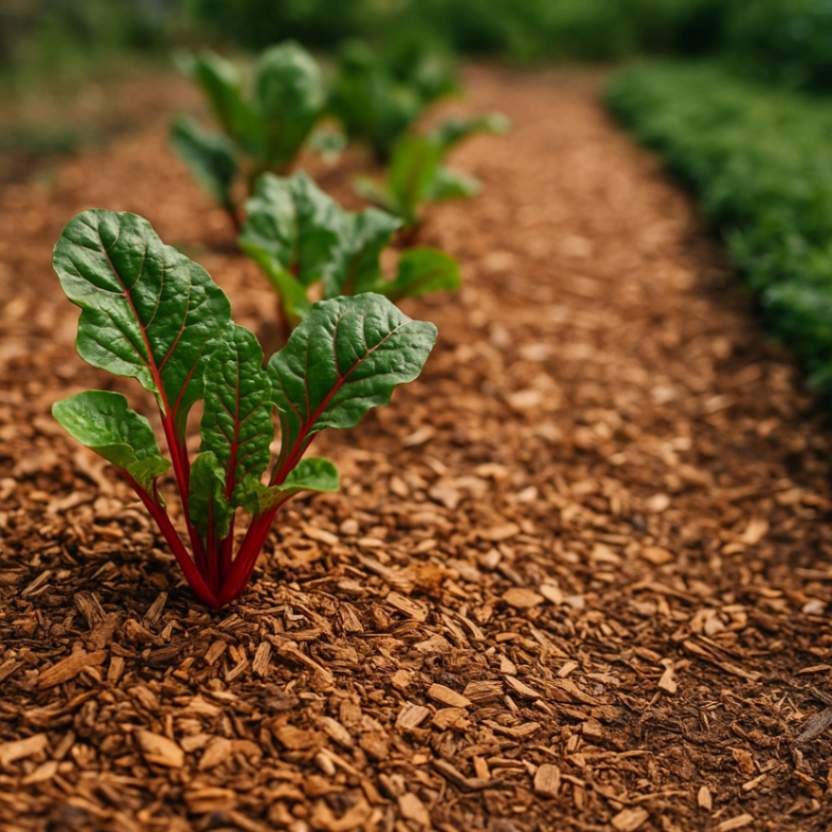
Growing your own food feels good. You know where it came from, you can pick it fresh, and the flavour is hard to beat. Mulch is a big part of keeping a veggie patch healthy, but many people are unsure about using chips made from timber. Are they safe near lettuce, tomatoes, and herbs? The short answer is yes, if you use them the right way.
Across Coffs Harbour, Grafton, Townsend, Nambucca and Woolgoolga, gardeners often ask the same thing at the start of a new season. They want tidy beds, fewer weeds, and soil that holds water. That is why a lot of people reach for wood chips. Many also ask about the right product and how to place it. The team at MI Organics hear these questions day in and day out and share simple steps that work.
Here is the key idea. You can safely use wood chips around food plants when you keep them on top of the soil rather than digging them in. When you treat the wood chips as a surface cover, they help the garden in many ways and do not hurt crop growth. Let’s look at how to make that happen.
Why some people worry about wood chips
There are two common fears. First, people worry that wood chips will steal nitrogen from the soil. This can happen if a lot of fresh timber is mixed into the soil where roots are feeding. Soil microbes use nitrogen to break down the timber. If that nitrogen is tied up, hungry plants may show pale leaves and weak growth.
Second, people worry about pests and fungus. Any organic cover can hold moisture. In some seasons that damp layer may give slugs and snails a place to hide. On the flip side, a healthy mulch also supports small life in the soil that helps plants. The trick is to set things up in a simple, tidy way and keep an eye on moisture.
Many of these worries fade once you see chips used well in real gardens. MI Organics often shows customers simple test plots that make the point clear.
What science says
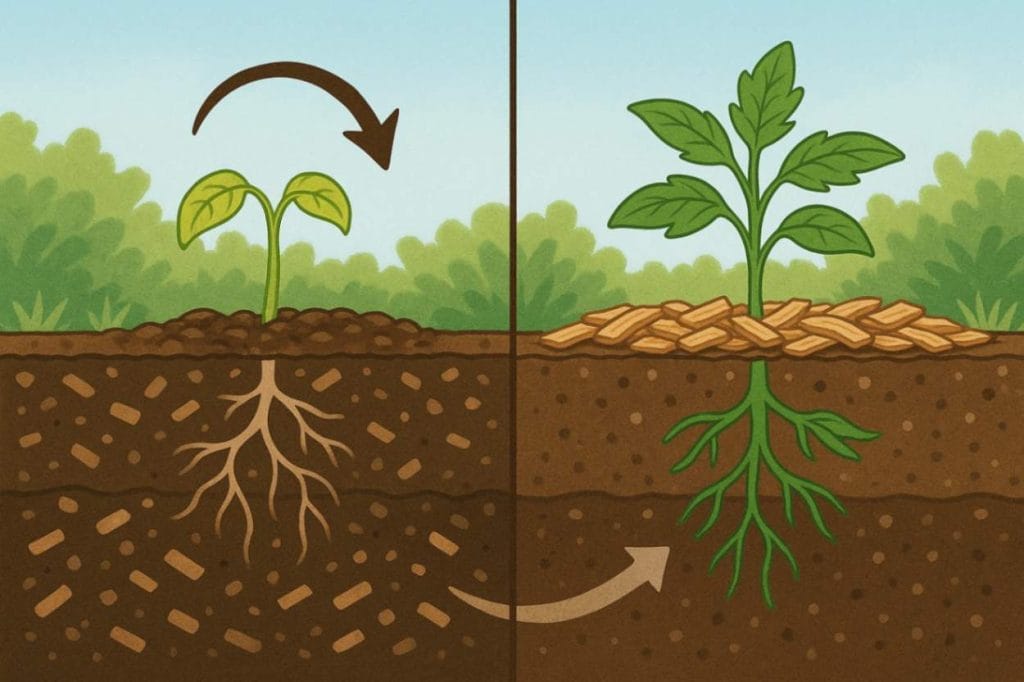
Timber breaks down slowly. That is normal. On the surface, wood chips keep their shape for a long time while rain and sun do their work. Because the wood chips are on top, roots sit in soil below where there is more air, even moisture, and active life. Over time, tiny bits move down and improve the soil little by little.
If you were to dig a big pile of fresh wood chips into a veggie bed, you could run into that nitrogen problem. So the rule is simple. Keep the chips on top. Put compost or well aged manure under the wood chips if the bed needs a boost. Water in well and you are set.
When people ask for a product that suits this method, MI Organics suggests clean, uniform chips with no paint or treated timber. That keeps the garden safe and tidy.
Using wood chips the right way
Start with good bed prep. Remove big weeds by the roots. Add compost where you plan to plant heavy feeders like tomatoes or silverbeet. Shape the bed so water does not pool. Plant your seedlings first, then add the cover.
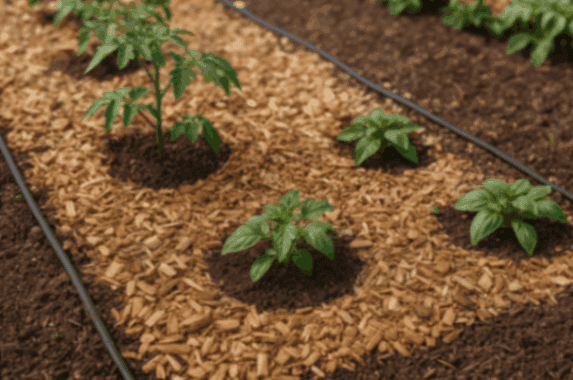
Keep a small ring of bare soil around each stem. A gap of a few centimetres is fine. This helps air flow and keeps the base of the plant dry after rain. It also stops rot near tender stems.
Now add your layer. Aim for a depth of about five to seven centimetres. This is thick enough to block light for weeds and thin enough to let water pass through. Top up thin spots by hand. Rake the rest so the surface looks even and tidy.
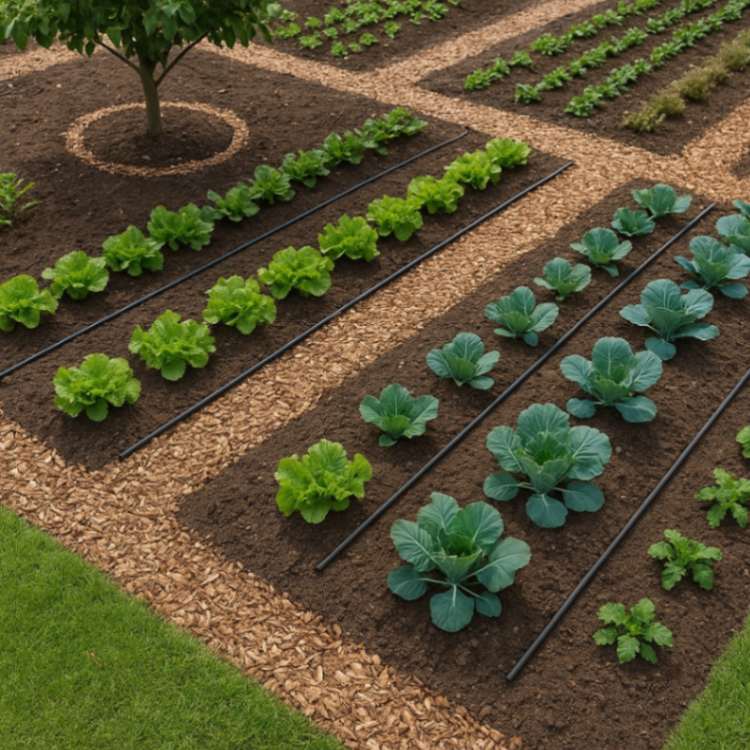
If you run drip lines, lay them under the cover so the water goes straight to the roots. That way the top layer can dry a little between waterings, which makes the space less cosy for slugs. MI Organics keeps handy reels of drip tube and simple fittings if you want to add irrigation while you mulch.
Where wood chips work best in a veggie patch
Paths are the first place to use them. Walking paths covered in wood chips are soft under foot and stay neat after rain. They also stop soil from splashing onto leaves, which lowers the risk of some leaf spots on tomatoes and cucumbers.
Next, use the cover in the open spaces between rows. This keeps down weeds without making the soil hard. You can pull the wood chips back to open a trench for sowing carrots or beans, then push the cover back once the seedlings are up.
Around fruit trees and perennials, a steady cover helps keep roots cool in hot spells and warm on cool nights. In towns like Woolgoolga and Nambucca, where coastal rain can arrive all at once, this cover also slows erosion. MI Organics often suggests a mix of chip sizes for these areas so the layer locks together well but still lets water through.
Pros and limits
The upsides are strong. Wood chips cut down weeds, keep water in the soil for longer, and stop crusting on the surface. They also make a veggie patch look neat, which makes it nice to spend time in the garden. On hot days you can slip a hand under the cover and feel the cooler, moist soil below.
There are limits to keep in mind. In very wet spells, a thick cover can stay damp and attract slugs. Keep the layer at the right depth and use traps or simple barriers if slugs are a problem. In very dry spells, you still need to water. The cover slows loss, but it does not replace rainfall.
If you want a stable supply, MI Organics can provide clean batches in bulk or in bags. That makes it easy to top up each season without changing the look of the garden.
Local tips for our coast and valleys
Coastal winds can dry the top layer fast. In Coffs Harbour, a quick soak with a hose after a windy day helps settle dust and keeps the cover in place. In Grafton, summer heat can be strong. A deeper layer on paths keeps them cool. In Townsend, where many blocks are exposed, use a small border to stop wood chips from moving onto the lawn. In Nambucca, use the cover on gentle slopes to slow runoff. In Woolgoolga, rinse salty spray from leaves after storms so plants stay happy under their mulch.
When you shop, look for clean material that smells fresh. Avoid wood chips with lots of leaf matter if you want a longer lasting layer. MI Organics can point you to hardwood mixes that hold their form well yet still let the soil breathe.
Safety notes that are easy to follow
Keep wood chips away from timber house stumps and fences. This is just good practice for any organic cover. Leave a clear gap where you can. Around veggies, always leave that small ring of bare soil near the stem. For root crops like carrots and beetroot, keep the cover thin until the rows are up and growing strong.
If you are building new beds, put compost or aged manure under the cover, not mixed deep through it. Plant feeders in that richer soil band and water in well. Over time, worms will pull fine bits down for you.
When you rotate crops at the end of a season, rake the cover aside, spread compost, and set the chips back in place. You can reuse the same material across many seasons, topping up a little as it settles. MI Organics can match the colour and size of your existing cover when you order more.
Questions people ask
Will wood chips make the soil too acidic?
Not in a big way when used as a surface layer. The effect at the surface is small and fades as the material ages.
Will wood chips stop water getting to the roots?
Not if you keep the layer at the right depth. Water moves through the gaps quite well. In fact, the cover slows evaporation, so more of the water you add stays in the soil.
Do I have to replace the whole layer each year?
No. You can simply add a thin top up in spring. That fresh layer looks good and keeps the cover at the right depth.
Is there a fire risk?
In very dry conditions any dry organic cover can burn. Keep beds tidy, remove dead weeds, and avoid placing hot BBQs or tools nearby. In high risk periods, keep the layer slightly moist.
For all these day to day questions, MI Organics offers clear, local advice. They can help you choose a chip size and timber mix that suits your beds and paths.
Using chips made from timber is a safe and smart way to care for a veggie patch when you follow simple steps. Keep the material on the surface, not dug through the soil. Leave a small gap around stems. Water the soil well, and use drip lines under the cover if you can. Keep the depth even, rake it tidy, and top it up a little each season. Your patch will look neat, hold water better, and grow with less fuss.
If you are setting up new beds or freshening old ones in Coffs Harbour, Grafton, Townsend, Nambucca or Woolgoolga, have a chat with MI Organics for clean product and plain advice. With the right approach, your veggies will be happy, the soil life will thrive, and your patch will be easier to care for all year round.