
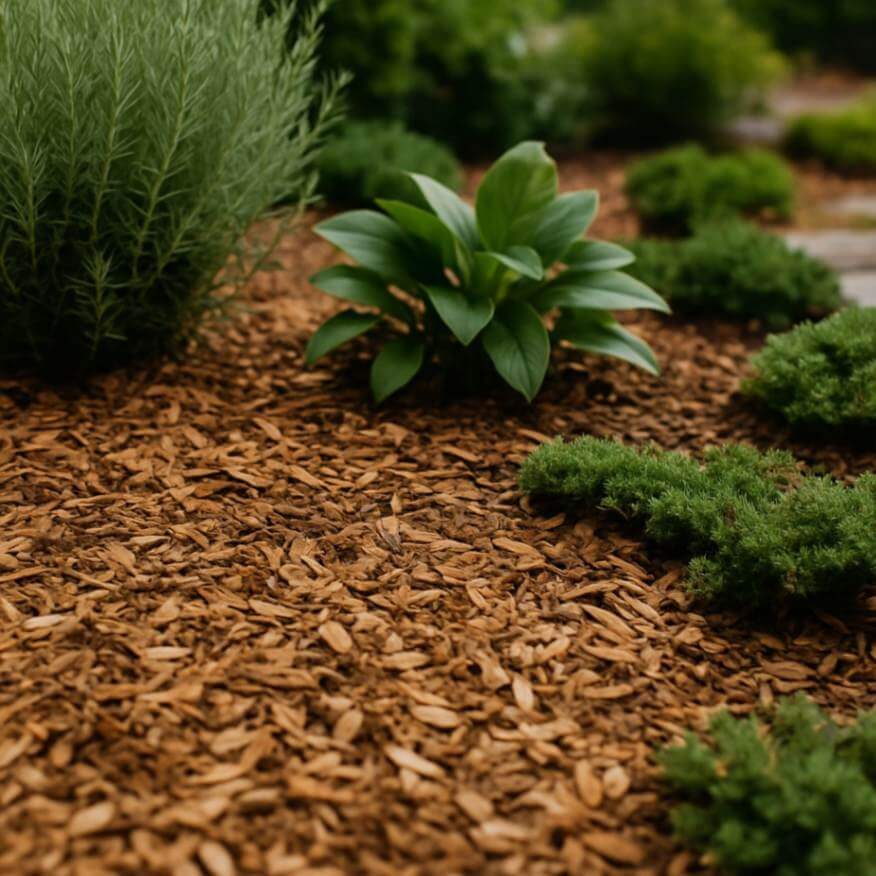
If you’ve ever added wood chips to your garden, you’ll know how much they can change the look and feel of the space. They make paths look tidy, help soil hold moisture, and keep weeds under control. But many gardeners in places like Coffs Harbour, Grafton, Townsend, Nambucca, and Woolgoolga often wonder the same thing, how long do wood chips actually last?
The short answer is that wood chips can last anywhere from one to four years in the garden, but it depends on the type of wood, the weather, and how you use them. Let’s take a closer look at what affects their life and how you can make them last longer.
Why wood chips break down over time
Wood chips are a natural material, which means they slowly decompose. This is part of the natural cycle. As they break down, they release small amounts of nutrients into the soil, which can be good for plants.
However, things like rain, sun, and microbes in the soil speed up the process. In wetter areas like Nambucca or Woolgoolga, wood chips for garden use might break down faster than in drier spots. In warm, damp conditions, fungi and bacteria are more active, which means the chips won’t last as long before turning into soil.
Different types of wood chips
Not all wood chips are the same. Some types last longer than others. Hardwoods, like eucalyptus or acacia, break down more slowly than softwoods like pine. If you want a longer-lasting cover, hardwood chips are a good choice.
Some gardeners use fresh timber chips for garden paths, while others prefer aged ones. Fresh chips take longer to break down, but they can also draw a bit of nitrogen from the soil while they settle. Aged chips are gentler on plants but may not last as long.
MI Organics often guides customers on which type of wood chips suit their needs. They stock both hardwood and softwood options, so you can pick the one that works best for your garden.
How placement affects lifespan
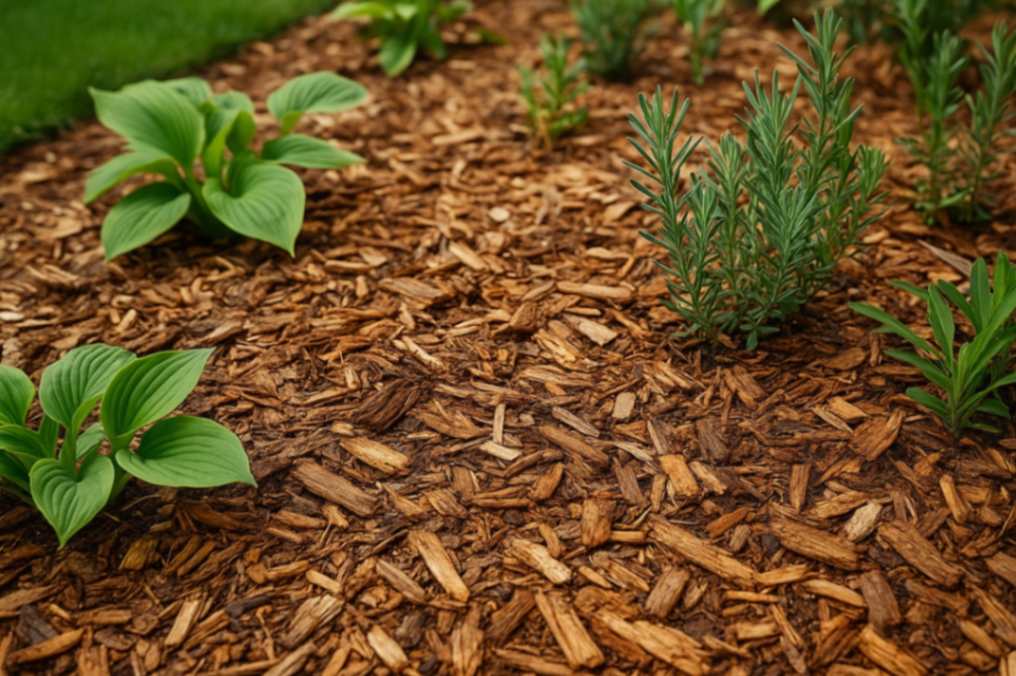
Where you put wood chips in the garden makes a big difference. Chips used in shady areas or under trees tend to last longer because they are not exposed to as much sun. On the other hand, chips in full sun or on busy garden paths will break down more quickly.
In Grafton and Townsend, where some gardens get strong summer heat, timger chips on exposed soil may only last a year or two before needing a top-up. In cooler, shaded gardens, they might last closer to four years.
Benefits while they last
Even though wood chips eventually break down, they do a lot of good while they are there. They help keep the soil cool in summer and warm in winter. They also help soil stay damp for longer, which is especially helpful during dry spells.
Wood chips for garden paths can make walking areas softer and more comfortable. They also stop mud from forming after rain, which is great in areas that get heavy showers, like parts of Coffs Harbour.
Another bonus is weed control. A thick layer of chips makes it harder for weeds to grow, saving you time on maintenance.
How to make wood chips last longer
If you want your wood chips to last as long as possible, there are a few simple things you can do:
- Use a thicker layer. About 7-10 cm of chips will block more sunlight and help slow decomposition.
- Choose hardwood chips, these take longer to break down than softwood chips.
- Add fresh layers. You don’t always have to replace the whole layer. Topping up once a year can keep your garden looking fresh.
- Keep chips dry when possible. In areas with irrigation, try not to let sprinklers hit the chips too often.
MI Organics often advises customers in Woolgoolga to mix hardwood and softwood chips. This gives a balance between long life and quick soil improvement.
When to replace wood chips
You don’t need to replace timber chips the moment they start to break down. In fact, the older chips can be left to continue enriching the soil. You can simply rake them to loosen the surface and then add a fresh layer on top.
A good sign that it’s time for new chips is when the layer has become thin and patchy, or weeds are starting to break through.
How weather plays a role
In wetter climates, timber chips can break down faster because of the constant moisture. In drier climates, they may last longer but can lose their colour more quickly.
In coastal areas like Nambucca, salty air can also affect how the chips look over time. While this doesn’t make them break down faster, it might mean they lose their fresh look sooner, which is something to keep in mind if appearance is important to you.
The bigger picture
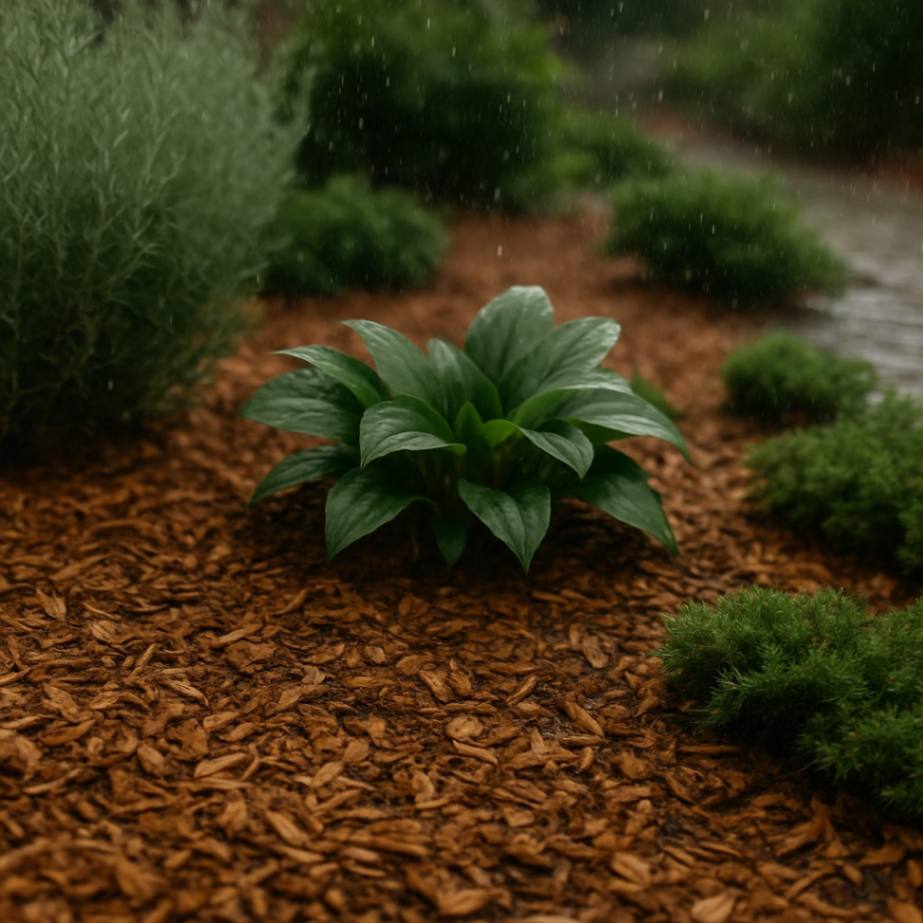
Even though wood chips don’t last forever, their benefits to the garden make them worth using. They improve soil health, protect plants, and make gardens more attractive. And because they are natural, they fit well with sustainable gardening practices.
Buying from a local supplier like MI Organics means you can get quality timber chips for garden beds, paths, or large landscaping projects. They can also give advice on how to use them for the best results in your area.
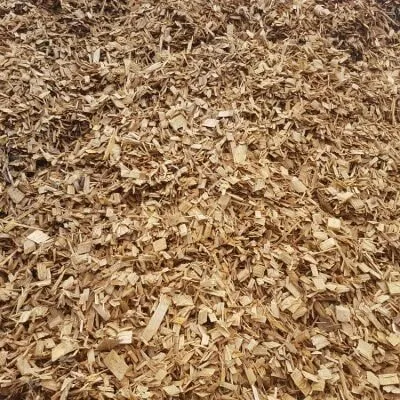
Wood chips can last from one to four years in the garden, depending on the type, location, and climate. They slowly break down and improve the soil, all while helping your garden stay neat and healthy.
If you’re in Coffs Harbour, Grafton, Townsend, Nambucca, or Woolgoolga, MI Organics can help you choose the right kind of wood chips and show you how to make them last. Whether you’re covering a path, surrounding trees, or protecting flower beds, wood chips are a natural and practical choice that will keep your garden looking its best.