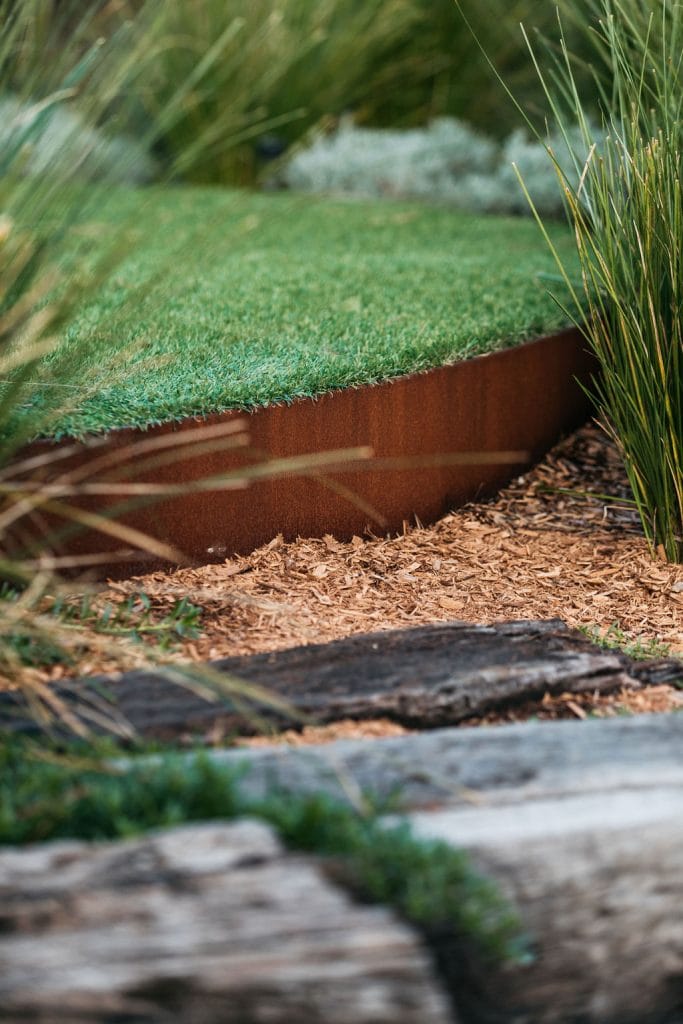
If you have a yard that is not perfectly flat or straight, you might be wondering if steel lawn edging will still work for you. Many people think it is only good for straight, even ground, but that is not true. With the right approach, you can use it on curves and slopes and still get a clean, strong finish.
Steel lawn edging is popular because it lasts for years and gives gardens a neat shape. It also works well with different designs, from modern to natural. In places like Coffs Harbour, Grafton, Townsend, Nambucca, and Woolgoolga, people use it to shape paths, hold soil in place, and keep gardens looking tidy.
Steel lawn edging is good for curves
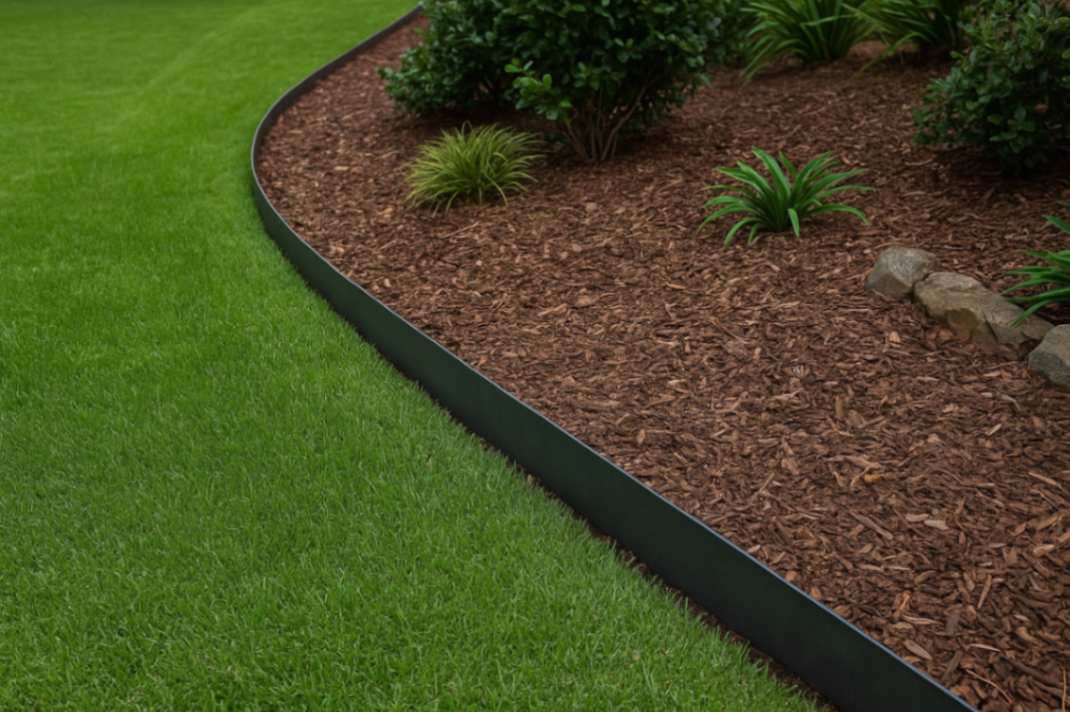
Steel lawn edging bends more than most people expect. You can create wide or gentle curves by slowly shaping it as you install it. The key is to make the bends in small sections, so the metal follows the line of the garden without sharp angles. This works well for garden beds that wrap around trees or winding paths.
If your design has very tight curves, you may need to cut and join sections at slight angles. This lets you keep the flow without forcing the steel too much. Many landscapers in Grafton and Nambucca use this method to match the natural shape of the land.
The smooth look of a metal garden border can make curved gardens stand out more. It draws the eye along the line, showing off plants and making the space feel more complete.
Using steel lawn edging on slopes
Slopes can be tricky because soil tends to move downhill over time. Steel lawn edging is strong enough to hold soil back and stop mulch or stones from washing away. On gentle slopes, you can install it the same way as on flat ground. On steeper areas, you may need to step the edging down in sections, like a set of small terraces.
In Woolgoolga and Townsend, where some yards have uneven ground, a stepped metal garden edge is common. It follows the slope but still holds everything in place. This works well for lawns, gravel paths, or even raised garden beds.
Tips for getting a good result
- Plan your line
Before starting, lay out a rope or garden hose to mark the shape you want. This helps you see how the steel lawn edging will flow along curves or slopes. - Take your time bending
Bend the steel slowly and evenly. If you rush, you might get kinks or uneven curves. - Use strong stakes
On slopes, use more stakes than you would on flat ground. This stops the edging from moving or leaning over time. - Think about height
In some gardens in Coffs Harbour and Nambucca, people leave the metal garden edging slightly higher than the lawn to make mowing easier. In other cases, they set it level with the grass for a seamless look.
Choosing the right steel lawn edging
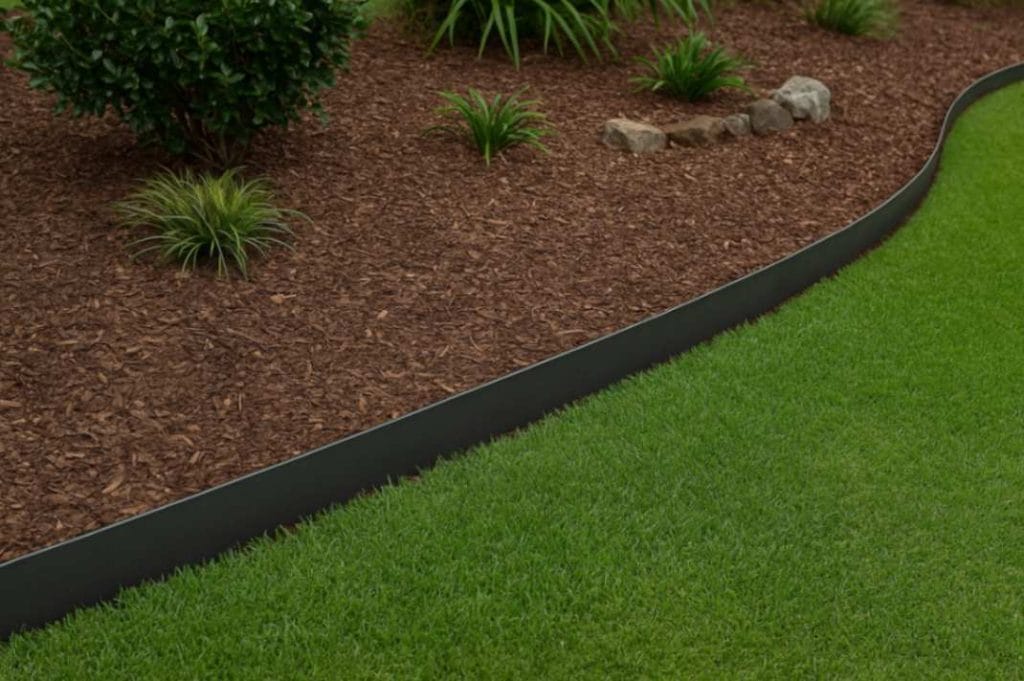
Not all steel lawn edging is the same. Some are thinner and easier to bend, while others are thicker and more rigid. Thinner steel is better for tight curves, but thicker steel will last longer on slopes where there is more pressure from soil.
If you want a long-term option, talk to a local supplier like MI Organics. They can guide you on what type of metal garden edging will suit your space and soil type. In many cases, they also stock other products like mulch and gravel, so you can get everything in one go.
Extra benefits of steel lawn edging
Steel lawn edging does more than just make a garden look tidy. It helps separate different materials, like lawn from gravel paths or mulch from flower beds. This keeps each area clean and reduces the time you spend on maintenance.
A good metal garden border also stops grass from spreading into garden beds. This means less weeding and a better chance for your plants to grow without competition.
Some people in Grafton and Townsend even use steel lawn edging to frame vegetable gardens. It keeps soil in place and makes the garden look neat, even when plants are growing at different heights.
How it compares to other options
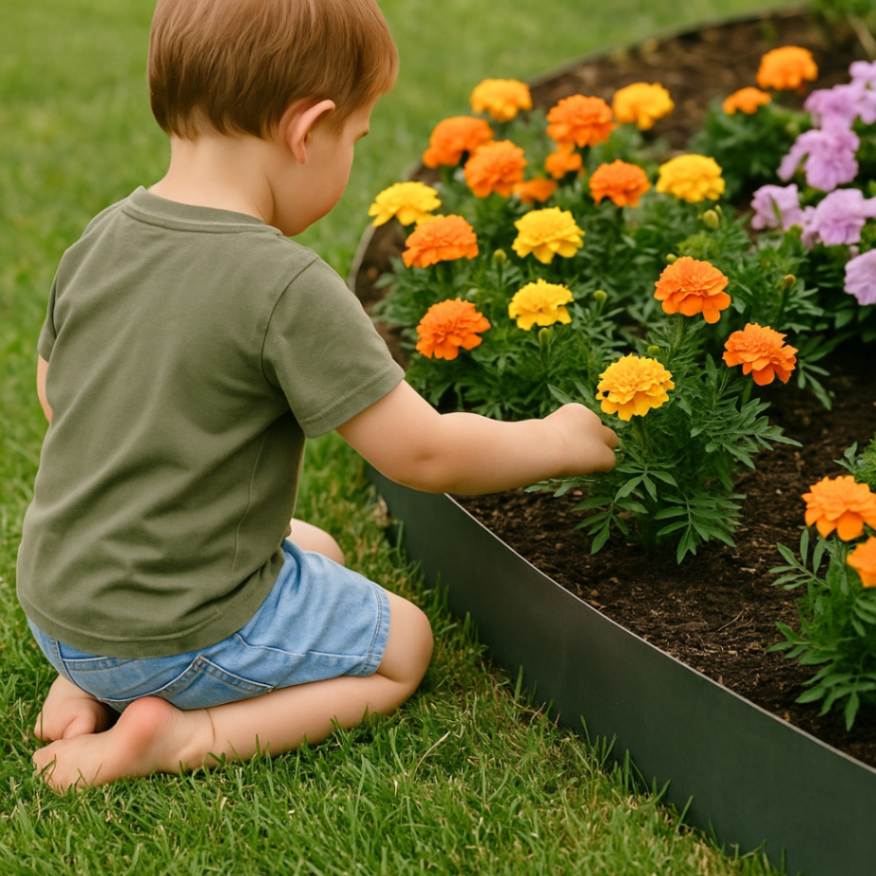
Wood edging can rot over time, especially in damp areas like Nambucca. Plastic edging is easier to bend but can crack under the sun. Stone looks great but is harder to shape for curves and slopes. Steel lawn edging is strong, lasts a long time, and can be shaped to fit most garden designs.
Metal garden edging also weathers nicely. Over time, it develops a natural patina that blends into the garden. This is one reason many people choose a metal garden edge over painted options.
Working with MI Organics
If you are in Coffs Harbour, Grafton, Townsend, Nambucca, or Woolgoolga, MI Organics is a great place to start. They supply quality steel lawn edging and can give tips for working with both curves and slopes. Their knowledge of local soil types and weather conditions means they can help you choose the right thickness and style.
Many customers go to MI Organics for more than just edging. They also pick up mulch, compost, and decorative stones to finish their garden projects. Having one supplier makes it easier to match materials and get the job done faster.
Getting started
If you want to try installing steel lawn edging on curves and slopes, start small. Pick one section of your garden and see how it looks. Once you get the hang of bending and securing it, you can move on to bigger areas.
Remember, the main things are to plan your line, bend slowly, and use enough stakes for support. With patience, you can create a clean, strong border that works with the shape of your land.
In the end, steel lawn edging is a smart choice for both style and function. It can handle curves, slopes, and different garden styles while keeping everything in place. If you live in Coffs Harbour, Grafton, Townsend, Nambucca, or Woolgoolga, you can get quality products and advice from MI Organics to help you get the best result.
Your garden will not only look tidier but will also be easier to care for in the long run. That is why more and more people are choosing steel lawn edging for their outdoor spaces.